




What's Happening?
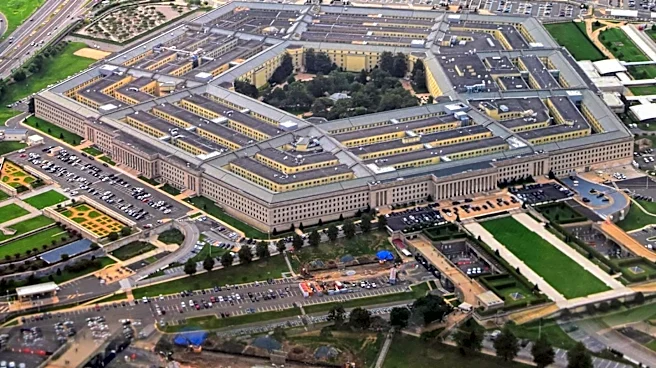
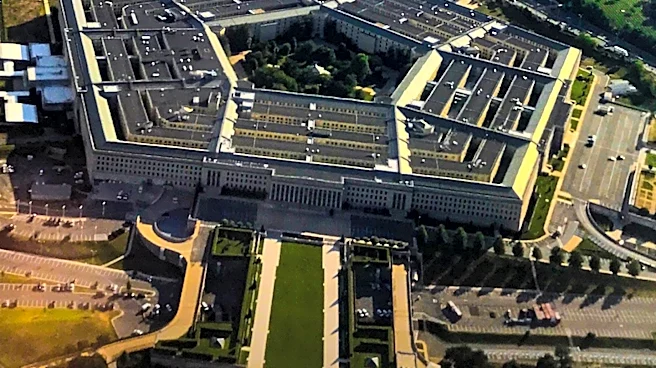
The Pentagon's FORTRESS America initiative, established by Defense Secretary Pete Hegseth on September 30, 2026, is designed to enhance the resilience of U.S. military operations. This program focuses on ensuring major military installations can function
independently for at least 90 days if external services like electricity, water, fuel, and communications are disrupted. The initiative addresses potential threats such as cyberattacks, physical sabotage, and supply chain interruptions. Despite recent online discussions and an opinion article in The Hill by retired Lieutenant General Russel Honoré, there is no verified announcement that the United States is preparing for a scheduled 90-day nationwide blackout. The 90-day figure refers specifically to the military's goal for self-sufficiency at its facilities, not a prediction that American households will lose power for three months. The program aims to reduce military dependence on external infrastructure during emergencies or conflicts.
Why It's Important?
This initiative is crucial for national security as it aims to safeguard critical military operations against a range of potential disruptions, from cyber warfare to natural disasters. By ensuring military installations can operate autonomously for an extended period, the U.S. military enhances its readiness and ability to respond to crises without being hampered by civilian infrastructure failures. The public misinterpretation of this military preparedness plan as a forecast for a nationwide blackout highlights the importance of clear communication from government agencies to prevent misinformation and undue public alarm. While general emergency preparedness is always advisable for households, conflating military operational resilience with a civilian grid collapse can lead to unnecessary panic and misallocation of resources. The distinction is vital for maintaining public trust and ensuring accurate understanding of defense strategies.
What's Next?
The Pentagon will likely continue to implement and refine the FORTRESS America initiative, focusing on its five key areas: energy independence, supply-chain resilience, strategic defense reserves, installation protection and cybersecurity, and resilience in space and communications systems. Public discourse may continue regarding the transparency of such preparedness plans and the extent to which civilian authorities should be informed or involved in similar readiness efforts. While there is no indication of a scheduled nationwide blackout, the ongoing emphasis on military self-sufficiency could prompt further discussions about the overall resilience of national infrastructure and potential vulnerabilities. The military's continued focus on these areas suggests a long-term commitment to enhancing operational continuity in the face of evolving threats.
Beyond the Headlines
The FORTRESS America initiative underscores a broader strategic shift towards greater self-reliance and resilience within critical national sectors. Beyond immediate military readiness, this approach could influence civilian infrastructure planning, encouraging greater investment in decentralized energy systems, robust supply chains, and enhanced cybersecurity measures across the nation. The ethical dimension of government preparedness also comes into play, as the public debates the balance between national security secrecy and the public's right to know about potential threats and government responses. This initiative reflects a recognition that modern threats are complex and interconnected, requiring a holistic approach to security that extends beyond traditional defense mechanisms to include infrastructure, technology, and logistics. The long-term implications could involve a more resilient national infrastructure, driven by lessons learned and technologies developed within military preparedness programs.