





What's Happening?
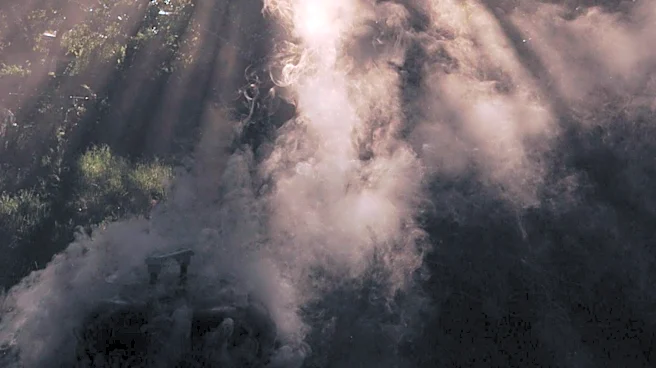
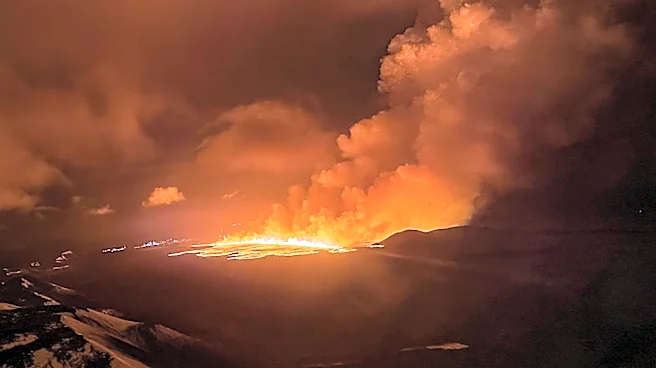
Oregon has surpassed its previous record for the most acres burned in a single wildfire season, with over 2.3 million acres affected so far in 2026. The Northwest Coordination Center reports that this season has been particularly challenging due to severe
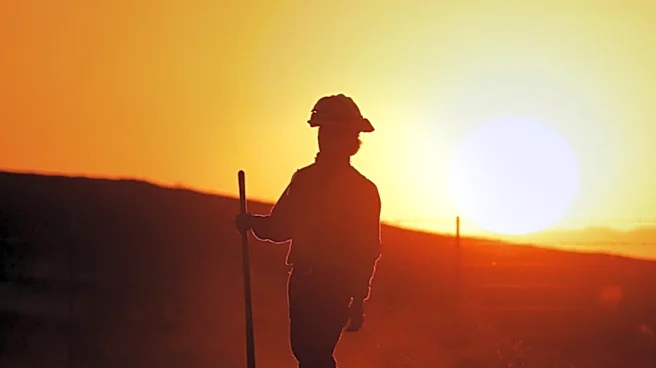
drought conditions affecting 96% of the region. Major fires, such as the Grasshopper Fire near Mt. Hood and the Rowe Creek Complex, have required significant firefighting resources, including the deployment of the Oregon Air National Guard. Despite efforts to contain these fires, the season is only halfway through, and officials emphasize the importance of preventing human-caused fires to conserve resources for natural lightning-induced fires.
Why It's Important?
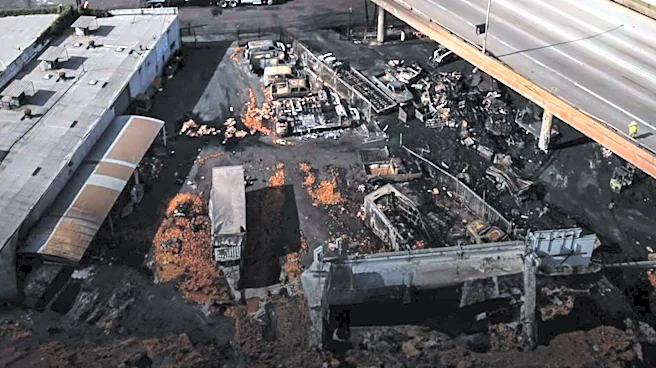
The record-breaking wildfire season in Oregon highlights the increasing severity and frequency of wildfires, exacerbated by climate change and drought conditions. The extensive damage to land and property poses significant economic challenges, affecting agriculture, tourism, and local communities. The deployment of the National Guard underscores the strain on firefighting resources and the need for effective fire management strategies. The situation also raises concerns about air quality and public health, as smoke from the fires affects large areas. The ongoing threat of wildfires necessitates a reevaluation of land management practices and increased investment in fire prevention and response capabilities.
What's Next?
As the wildfire season continues, efforts will focus on containing existing fires and preventing new ones. Authorities will likely increase public awareness campaigns to reduce human-caused fires and implement stricter regulations on activities that could spark new fires. The state may also seek additional federal assistance to support firefighting efforts and recovery. Long-term, there may be increased pressure on policymakers to address the root causes of worsening wildfire seasons, including climate change and land management practices.