



What's Happening?
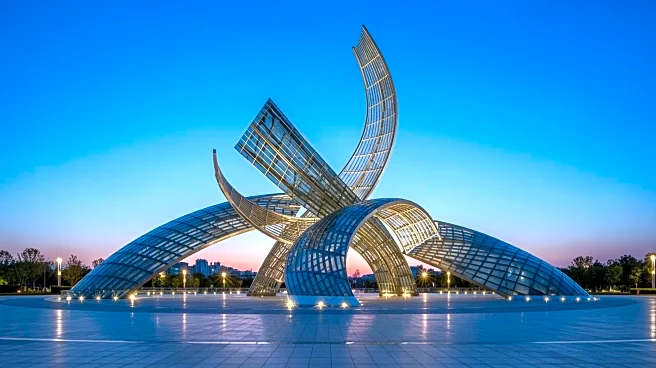
Shenzhen, a city known for its rapid technological growth, is making significant strides to establish itself as a cultural hub in Asia. Historically recognized as a major technology center, Shenzhen is now focusing on enhancing its cultural infrastructure.
This year, two major Chinese tech companies, JD.com and Tencent, announced plans to open art museums in the city. Robin Peckham and Pi Li have been appointed as the founding directors of these museums, bringing their extensive experience in the art world to the forefront. Shenzhen's transformation from a small fishing town to a major economic zone began in 1980, and its cultural development has been gaining momentum since the mid-2000s. The city has been building cultural landmarks and hosting art fairs, such as Art Shenzhen and Shenzhen Art Week, to foster a vibrant art scene.
Why It's Important?
Shenzhen's efforts to become a cultural hub are significant as they reflect a broader trend of integrating cultural development with economic growth. By investing in art and cultural infrastructure, Shenzhen aims to diversify its identity beyond technology and manufacturing. This move could attract international attention and investment, positioning the city as a key player in the global art market. The establishment of art museums by major tech companies like JD.com and Tencent indicates a growing recognition of the importance of cultural capital. This development could lead to increased cultural exchange and collaboration within the Greater Bay Area, enhancing Shenzhen's role in the region's economic and cultural landscape.
What's Next?
The new art museums in Shenzhen are expected to open in the coming years, with the Róng Museum scheduled for the second half of 2027. As these institutions develop, they will likely host a variety of exhibitions and cultural events, contributing to the city's cultural vibrancy. The success of these initiatives could inspire other cities in China to invest in similar cultural projects, further integrating art and culture into the country's economic framework. Additionally, the collaboration between tech companies and the art world may lead to innovative approaches in art presentation and audience engagement, leveraging technology to enhance cultural experiences.
Beyond the Headlines
Shenzhen's cultural transformation raises questions about the role of technology companies in shaping cultural narratives. As these companies invest in art, they may influence the types of art that are promoted and the narratives that are highlighted. This development also highlights the potential for art to serve as a bridge between different sectors, fostering dialogue and collaboration across industries. The integration of art and technology could lead to new forms of artistic expression and cultural production, challenging traditional boundaries and creating new opportunities for artists and audiences alike.