


What's Happening?
Dr. Susan Bailey, a radiation cancer biologist and professor in the Department of Environmental and Radiological Health Sciences, has been awarded the Failla Award by the Radiation Research Society. This recognition acknowledges her significant contributions
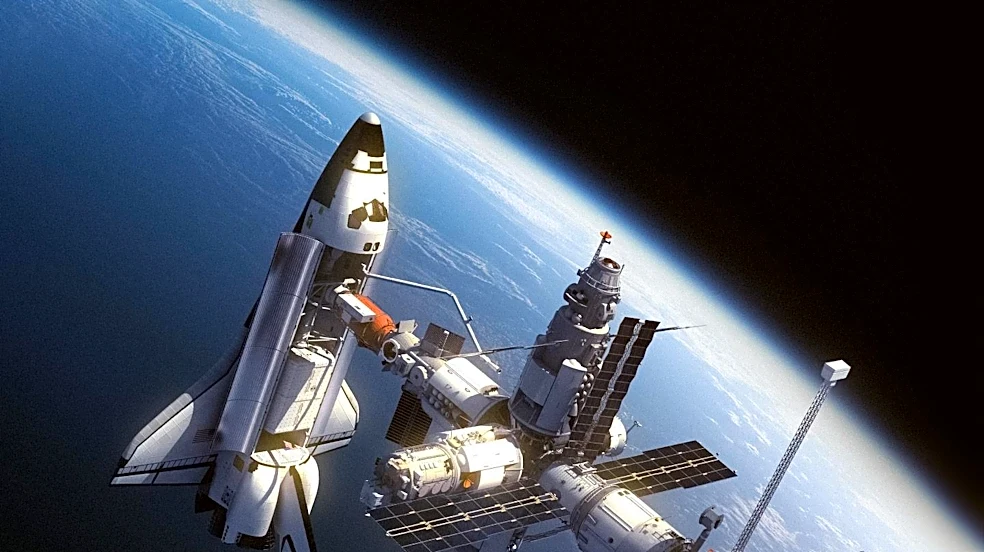
to radiation research, particularly her work on how spaceflight impacts the human body. Dr. Bailey's research revealed that telomeres, the protective caps at the end of chromosomes, lengthen in astronauts during space travel. This finding was initially reported as part of the 2019 NASA Twins Study, which involved astronaut Scott Kelly's year-long mission on the International Space Station. Subsequent research by Dr. Bailey further demonstrated telomere growth in astronauts who spent as little as three days in space, as well as in high-altitude mountain climbers.
Why It's Important?
Dr. Bailey's discoveries are crucial for understanding the long-term health implications of spaceflight for astronauts. Telomeres are vital biomarkers of health, and their shortening is a key molecular driver of aging, linked to age-related conditions such as dementia, cardiovascular disease, and cancer. The observation that telomeres lengthen in space challenges conventional understanding of aging and cellular processes in extreme environments. This research provides critical insights for NASA's efforts to ensure the health and safety of astronauts on extended missions, such as those planned for Mars. By understanding these biological responses, scientists can develop better countermeasures and health protocols for long-duration space exploration, mitigating potential health risks and enhancing mission success.
What's Next?
Dr. Bailey is continuing her research on spaceflight and human health through NASA’s Complement of Integrated Protocols for Human Exploration Research (CIPHER) study. This collection of experiments aims to comprehensively investigate how the human body reacts to prolonged missions in space. The CIPHER study will build upon her previous findings, seeking to uncover more broadly the mechanisms behind telomere lengthening and other physiological changes observed in astronauts. The ongoing research will contribute to a deeper understanding of human adaptability to space environments, which is essential for future space exploration endeavors and the development of advanced medical support systems for astronauts.
Beyond the Headlines
The implications of Dr. Bailey's research extend beyond space travel, offering potential insights into the fundamental processes of aging and cellular repair on Earth. If the mechanisms behind telomere lengthening in space can be fully understood, it could open new avenues for research into anti-aging therapies and treatments for age-related diseases. The study of human physiology in extreme environments like space provides a unique laboratory for observing biological responses under conditions not replicable on Earth. This interdisciplinary research, combining radiation biology, space medicine, and gerontology, could lead to breakthroughs that benefit not only astronauts but also the general population in the quest for healthier and longer lives.