






What's Happening?
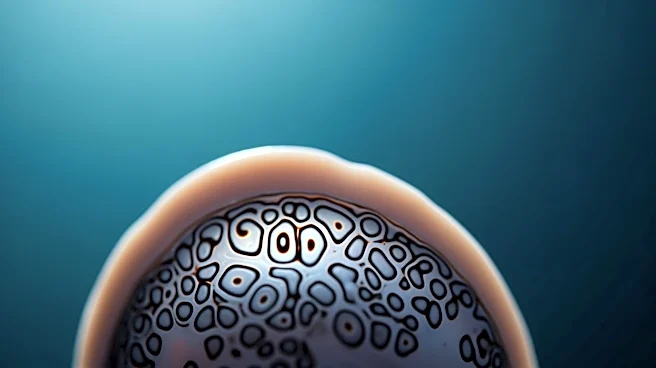
Researchers have uncovered a new peculiarity in the platypus, a mammal already known for its unusual characteristics. A study published in the Biology Letters journal reveals that the platypus possesses hollow melanin structures, a trait typically found
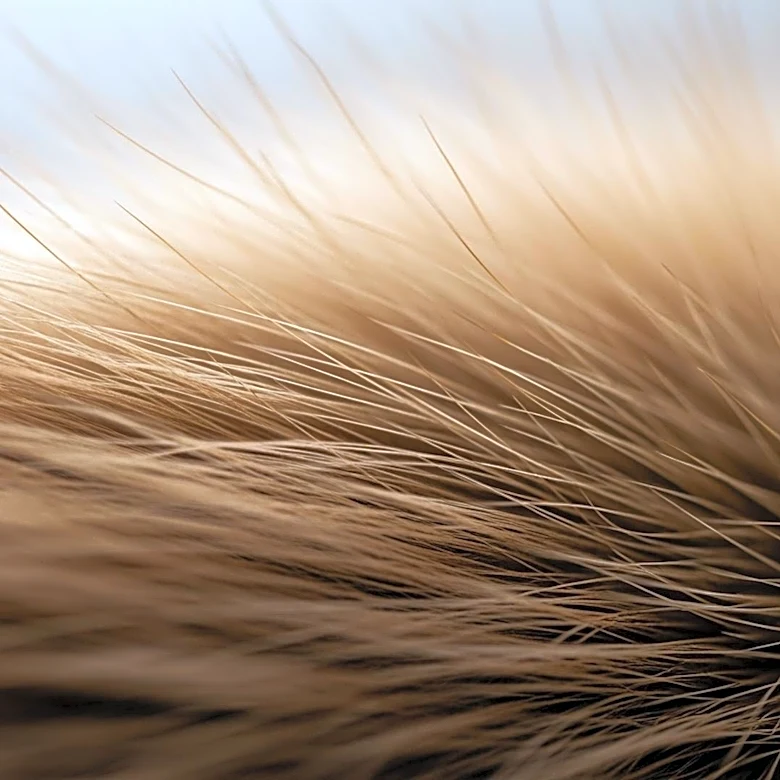
in birds. This discovery adds to the platypus's list of unique features, which include laying eggs, having a duck-like bill, and being one of the few venomous mammals. The study, led by Jessica Leigh Dobson from Ghent University, found that these hollow melanosomes in the platypus are unlike any other known in mammals. The research suggests that these structures might have evolved to provide better insulation for the platypus's aquatic lifestyle, although the exact reason remains unclear.
Why It's Important?
The discovery of hollow melanin structures in the platypus could have significant implications for understanding mammalian evolution and adaptation. This finding challenges existing knowledge about melanin's role in mammals and could lead to new insights into how certain traits evolve in response to environmental pressures. The platypus's unique characteristics continue to intrigue scientists, offering a window into the evolutionary processes that shape biodiversity. This research could also inspire further studies into other monotremes and their evolutionary history, potentially revealing more about the origins and adaptations of early mammals.