



What's Happening?
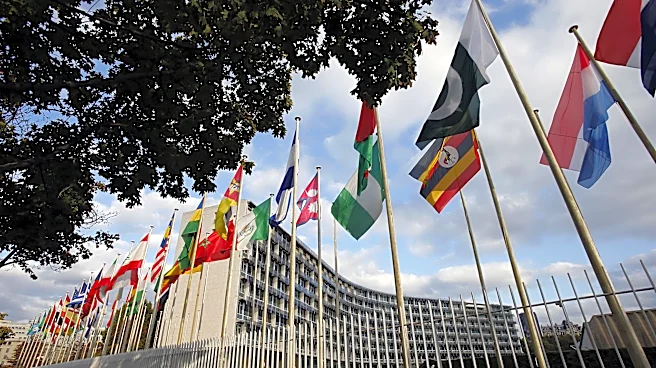
Dartmouth College is offering a new course, "Multilateral Cooperation and International Organizations – The End of an Era?", starting in November 2026. The course will explore the evolving role of international organizations in conflict management and international security.
It will analyze both Western organizations like NATO, the EU, OSCE, and the Council of Europe, and Eastern organizations such as CSTO, EAEU, CSO, and the BRICS. The curriculum will also delve into their impact on specific conflicts in Eastern Europe, the South Caucasus, and the Balkans. José Luis Herrero, with over 30 years of experience in leadership positions within various international organizations, will teach the course. His background includes extensive work in political and civil affairs, institution building, conflict management, democratization, rule of law, and human rights across multiple countries.
Why It's Important?
This course is significant as it addresses the current challenges and potential shifts in the global order, particularly concerning multilateralism. The examination of both Western and Eastern international organizations highlights the increasing geopolitical competition and the reconfiguration of power dynamics. Understanding the effectiveness and limitations of these organizations in conflict management and security is crucial for U.S. foreign policy and international relations. The course's focus on specific conflict regions underscores the real-world implications of these organizational structures. For U.S. policymakers and citizens, insights from this course could inform strategies for engaging with international bodies and navigating a complex global landscape where traditional alliances and new power blocs are constantly being redefined.
What's Next?
The course is scheduled to begin in November 2026. Its findings and discussions could contribute to academic discourse on international relations and potentially influence future policy considerations regarding multilateral engagement. As regional organizations continue to evolve, the insights gained from studying their successes and failures, particularly in conflict zones, will be valuable. The ongoing reevaluation of multilateralism's efficacy will likely continue to be a prominent topic in international forums, with academic institutions like Dartmouth playing a role in shaping the intellectual framework for these discussions. The course's analysis of BRICS and other non-Western organizations suggests a growing recognition of a multipolar world order.
Beyond the Headlines
The course title itself, "The End of an Era?", suggests a deeper inquiry into the foundational principles and future viability of multilateral cooperation. This reflects a broader global sentiment questioning the effectiveness of existing international frameworks in addressing contemporary challenges such as geopolitical rivalries, climate change, and economic instability. The inclusion of organizations like BRICS indicates a shift from a predominantly Western-centric view of international governance. This academic exploration could highlight the ethical dilemmas and legal complexities arising from competing international norms and the struggle for influence among different power blocs. It also implicitly raises questions about the U.S.'s role in a potentially less multilateral and more fragmented global system.