




What's Happening?
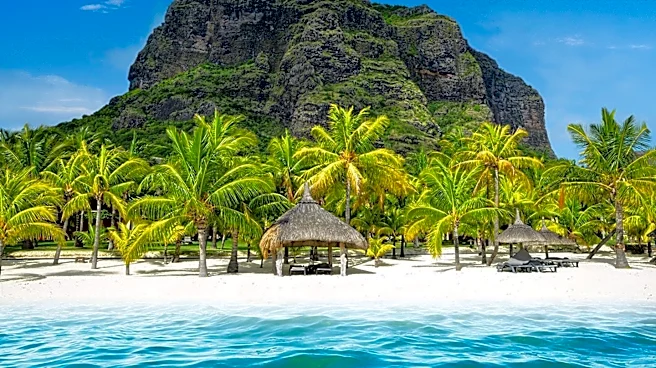
Mauritius has received approval from the UN Commission on the Limits of the Continental Shelf (CLCS) to extend its continental shelf by over 145,000 square kilometers. This expansion, following a claim around Rodrigues Island, grants Mauritius greater
rights over seabed resources, including polymetallic nodules that contain valuable elements such as cobalt, nickel, copper, and rare earth elements. The decision reinforces Mauritius's economic standing and its position in the growing ocean economy. Former Prime Minister Pravind Jugnauth described the approval as a significant milestone for the nation's sovereignty and economic future. The claim was supported by geological and oceanographic surveys indicating that Mauritius’ continental shelf naturally extends beyond the current 200-nautical-mile limit. This development aligns with a broader trend of small island states leveraging their maritime zones as strategic assets for critical minerals essential for clean energy and advanced technologies.
Why It's Important?
This territorial expansion is significant for the United States and global supply chains, particularly concerning rare earth elements and other critical minerals. The U.S. has a strategic interest in diversifying its sources of these materials to reduce reliance on dominant suppliers like China. The potential for rare earth elements in Mauritius's newly acquired ocean territory could offer an alternative supply, contributing to U.S. national security and technological independence. The broader trend of nations securing maritime resources highlights the increasing global competition for these essential minerals, which are vital for electric vehicles, electronics, and defense technologies. For Mauritius, this expansion could unlock substantial economic opportunities in marine research, renewable energy, and seabed resource development, further solidifying its economic prosperity and potentially attracting international investment, including from the U.S., as it seeks to secure critical mineral supplies.
What's Next?
The expanded maritime area is expected to open doors for Mauritius in various sectors, including fisheries, marine research, renewable energy, and seabed resource development. Mauritius is positioning itself to strengthen its sovereign rights over this vast undersea area, potentially leading to future exploration and resource development. The U.S. may explore opportunities for engagement with Mauritius to access these newly recognized resources, aligning with its strategy to secure critical mineral supplies. This development also occurs amidst Mauritius’ ongoing sovereignty dispute over the Chagos Archipelago, which hosts the Diego Garcia military base operated by the United States and the United Kingdom. The international community, including the International Court of Justice and the United Nations, has backed Mauritius's claim to the Chagos Archipelago, suggesting potential future diplomatic and legal developments regarding these territories and their resources.
Beyond the Headlines
The acquisition of this vast ocean territory by Mauritius underscores the evolving geopolitical landscape driven by the demand for critical minerals. The strategic importance of rare earth elements and other polymetallic nodules is transforming maritime claims into crucial economic and security assets. This situation highlights the delicate balance between national sovereignty, economic development, and environmental stewardship, especially in marine ecosystems. The U.S.'s consideration of buying disputed islands in the region, as mentioned in the broader context, further illustrates the intense competition for control over resource-rich areas. This trend could lead to increased international cooperation, but also potential disputes, as nations vie for access to the materials necessary for the global transition to clean energy and advanced technologies, potentially reshaping alliances and trade relationships in the Indian Ocean region and beyond.