




What's Happening?
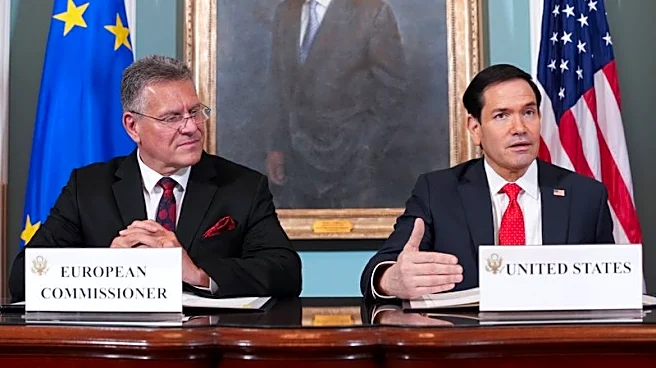
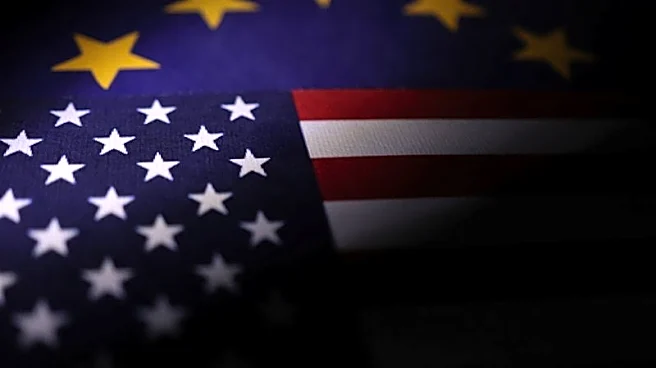
On April 24, US Secretary of State Marco Rubio and European Union Trade Commissioner Maroš Šefčovič signed a memorandum of understanding (MoU) in Washington DC, establishing a strategic partnership between the US and the EU on critical minerals. This
agreement aims to strengthen bilateral cooperation across the critical minerals value chain, including exploration, extraction, processing, refining, recycling, and recovery. The MoU emphasizes the importance of strategic, allied supply chains and includes an EU-US Critical Minerals Action Plan. This plan focuses on innovation, investment, and ensuring that resources are directed to where they are most needed. The agreement also addresses supply-and-demand market dynamics to prevent monopolization and concentration of resources in one place.
Why It's Important?
The strategic agreement between the US and the EU is significant as it aims to safeguard economic and national security interests by reducing dependencies on Chinese supply chains. The combined economic power of the US and the EU makes them the largest consumers and users of critical minerals globally. By ensuring reliable and affordable sources of these minerals, the agreement seeks to enhance supply chain resilience and support economic productivity. The partnership also signals a commitment to coordinated international action, which could lead to strengthened trade policies and increased investment in the critical minerals sector. This move is crucial for both regions to maintain their competitive edge in the global market.
What's Next?
The success of the US-EU partnership will depend on how quickly both sides can translate policy alignment into tangible projects. The MoU outlines an Action Plan for Critical Minerals Supply Chain Resilience, which includes opportunities for strengthened trade policies and international cooperation. The plan also sets goals for standardizing mining, processing, and recycling practices, promoting further investment, and planning for potential supply disruptions. As the US and EU work to implement these strategies, they may also explore similar agreements with other global partners to further enhance supply chain resilience.