



What's Happening?
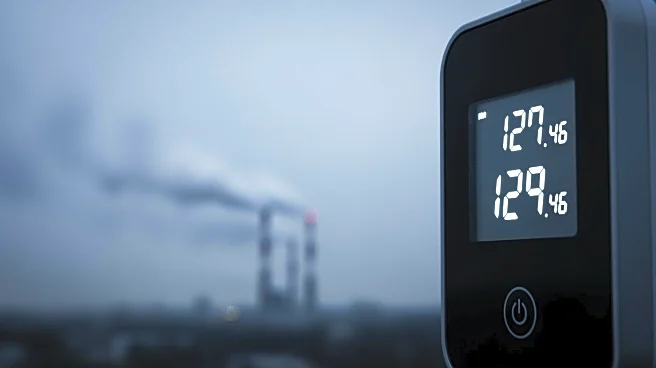
A study has found a significant association between exposure to fine particulate matter (PM2.5) and the risk of anemia among Nepalese women of reproductive age. Using data from the 2022 Nepal Demographic and Health Survey, researchers analyzed the health
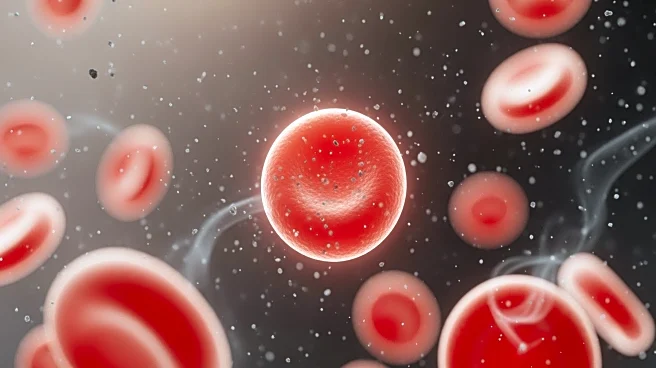
impacts of PM2.5 on 4,133 women. The study defined anemia based on WHO guidelines and found that higher PM2.5 exposure correlated with lower blood hemoglobin levels. The risk of anemia increased by 29% for every 10 µg/m³ increase in PM2.5 exposure. The study highlighted that women with lower educational attainment and those living in mountainous regions were more affected.
Why It's Important?
This research underscores the broader health implications of air pollution, particularly in low-resource settings. The findings suggest that air quality issues can exacerbate health disparities, affecting vulnerable populations more severely. The study calls for targeted health interventions and stricter air quality regulations to mitigate these risks. By highlighting the link between air pollution and anemia, the research may influence public health policies and encourage international cooperation to address environmental health challenges. The study also emphasizes the need for increased awareness and education about the health impacts of air pollution.
What's Next?
The study's findings may lead to increased advocacy for improved air quality standards and the implementation of health interventions targeting at-risk populations. Policymakers in Nepal and other countries with similar air quality issues may consider adopting stricter regulations to reduce PM2.5 emissions. Additionally, public health campaigns could be launched to educate communities about the risks of air pollution and promote protective measures. Further research may explore the long-term health impacts of PM2.5 exposure and investigate potential interventions to mitigate its effects on vulnerable populations.