





What's Happening?
Kauaʻi County Mayor Derek Kawakami signed a third supplemental emergency proclamation on November 13, extending the emergency period related to Hurricane Lowell for an additional 60 days. This proclamation continues the county's disaster area designation
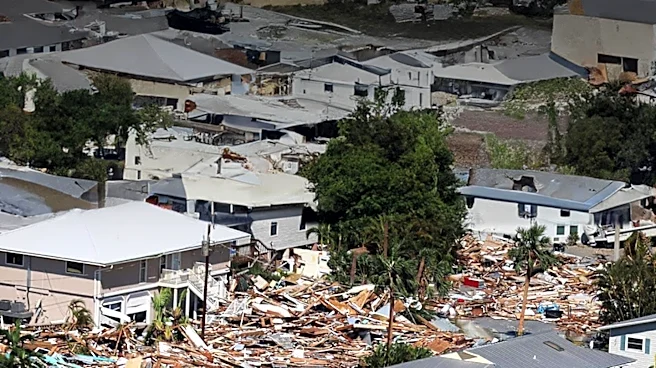
and supports ongoing emergency management and recovery efforts following the hurricane on September 7. A significant change outlined in the proclamation is the reinstatement of tipping fees for solid waste disposal at county landfills, refuse transfer stations, and debris recycling stations, effective November 18. Additionally, the Hawaiʻi Department of Health’s Kauaʻi District Health Office and Kauaʻi County will conduct a Community Assessment for Public Health Emergency Response (CASPER) survey from November 16-20 to gather information on Hurricane Lowell's impacts and ongoing recovery needs. This survey will involve door-to-door visits in 30 randomly selected areas, with seven homes surveyed in each area to ensure confidentiality and voluntary participation.
Why It's Important?
The extension of the emergency proclamation underscores the continued severity and long-term nature of Hurricane Lowell's impact on Kauaʻi County, nearly two months after the event. This ensures that critical resources and support for recovery efforts remain available, facilitating the island's return to normalcy. The reinstatement of tipping fees, while potentially impacting residents and businesses, signifies a step towards normalizing waste management operations and managing the financial aspects of recovery. The CASPER survey is crucial for data-driven recovery planning, as its results will directly inform county, state, federal, and community organizations about the most pressing needs and effective allocation of aid. Understanding the physical, economic, and health impacts through this survey will help tailor recovery programs to the specific challenges faced by Kauaʻi residents, ensuring a more efficient and equitable recovery process.
What's Next?
With the emergency proclamation extended, recovery efforts will continue with sustained county support. The CASPER survey results, expected to be shared in a public report, will guide future recovery initiatives and resource allocation by various governmental and non-governmental partners. Farmers and ranchers affected by Hurricane Lowell can apply for up to $1,500 through the state’s Emergency Farmer Relief grant program until January 29, 2027. However, the Kauaʻi Hurricane Lowell Business Recovery Grant Program is no longer accepting applications due to high demand, though businesses can join a waitlist. Private nonprofits providing critical services can seek reimbursement for storm cleanup and repairs through FEMA Public Assistance, with deadlines approaching. Residents are also encouraged to report storm damage to help the island qualify for additional state and federal aid, and to remain vigilant against potential disaster recovery scams.
Beyond the Headlines
The ongoing recovery in Kauaʻi County highlights the complex and multifaceted challenges faced by communities in the aftermath of major natural disasters. Beyond immediate cleanup, the long-term recovery involves intricate coordination across various government levels, community organizations, and private sectors. The reinstatement of tipping fees, while a practical step, also signals a transition from immediate crisis response to more sustainable, long-term management, which can sometimes create new financial burdens for affected residents. The emphasis on surveys like CASPER reflects a growing understanding of the importance of community-level data in shaping effective disaster recovery policies, moving beyond broad assessments to address specific, localized needs. This comprehensive approach to recovery, encompassing economic, health, and infrastructure aspects, underscores the resilience required for communities to rebuild and adapt in the face of increasing climate-related events.