







What's Happening?
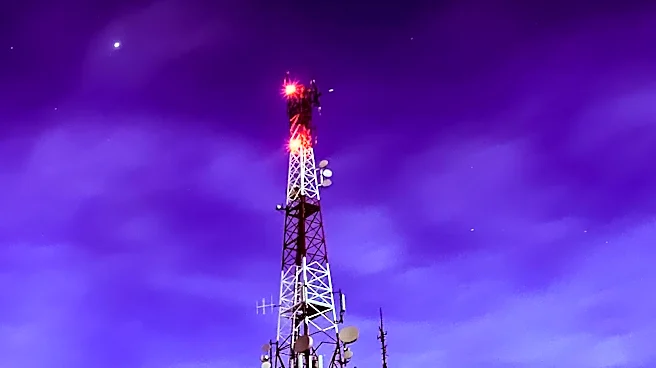
The Cal OES Public Safety Communications Office is utilizing drones for inspecting communication towers, a significant shift from traditional manual climbing methods. Eric Telles, an engineer with the office, highlights that drones are now used to survey
towers, including radio equipment and antennas, to ensure proper engineering and installation. This approach replaces the previous method where engineers had to physically climb towers, some as tall as 200 feet. The Cal OES Public Safety Communications Office currently operates a fleet of six drones and employs ten licensed pilots. These drones are equipped with various camera lenses, including those for 3D mapping and telephoto viewing, allowing for comprehensive inspections and the identification of potential obstructions like new buildings or growing trees that could affect line of sight for communication dishes. The engineers piloting these drones are licensed by the Federal Aviation Administration (FAA) and undergo extensive training, including a week-long drone training program followed by FAA testing and additional safety training within Cal OES.
Why It's Important?
The adoption of drone technology for communication tower inspections by the Cal OES Public Safety Communications Office marks a crucial advancement in infrastructure maintenance and worker safety. Traditionally, tower inspections were hazardous, requiring certified technicians to climb tall structures, often in teams, which could lead to delays and safety risks. Drones mitigate these dangers by allowing inspections to be conducted remotely, significantly reducing the risk of falls and other accidents. This shift also enhances efficiency, as a single engineer with a drone can deploy for inspections at any time, eliminating the need to wait for a full climbing team. Furthermore, the advanced capabilities of drones, such as 3D mapping and telephoto viewing, enable more thorough and precise assessments of tower equipment and potential environmental interferences. This improved data collection can lead to better planning and maintenance, ensuring the reliability of critical communication infrastructure for state agencies. The investment in drone technology and pilot training underscores a commitment to modernizing public safety operations and optimizing resource allocation.
What's Next?
The Cal OES Public Safety Communications Office is expected to continue expanding its use of drone technology for communication tower inspections, potentially integrating more advanced drone capabilities and increasing its fleet and licensed pilot count. The ongoing training and FAA licensing requirements for drone pilots will ensure that these operations adhere to safety and regulatory standards. As drone technology evolves, it is likely that Cal OES will explore further applications, such as predictive maintenance based on drone-collected data, or even the use of drones for minor repairs or adjustments on towers. The success of this program could also serve as a model for other state and federal agencies responsible for maintaining extensive communication infrastructure, potentially leading to broader adoption of drone-based inspection methods across the U.S. This could foster a new standard for safety and efficiency in critical infrastructure management.
Beyond the Headlines
The transition to drone-based communication tower inspections by Cal OES highlights a broader trend of technological integration in public safety and infrastructure management. This shift not only addresses immediate safety and efficiency concerns but also has deeper implications for workforce development and regulatory frameworks. The need for FAA-licensed drone pilots creates new specialized job roles and demands for training programs, signaling a move towards a more technologically skilled workforce in public service. Ethically, the use of drones raises questions about data privacy and surveillance, though in this context, the focus is on infrastructure inspection rather than public monitoring. Legally, the FAA's role in licensing and regulating drone operations becomes increasingly central, shaping how such technologies can be deployed responsibly. Culturally, it represents a move away from high-risk manual labor towards technology-assisted operations, potentially influencing perceptions of safety and innovation within government agencies. This development underscores the transformative potential of unmanned aerial vehicles in critical sectors, pushing the boundaries of traditional operational paradigms.