


What's Happening?
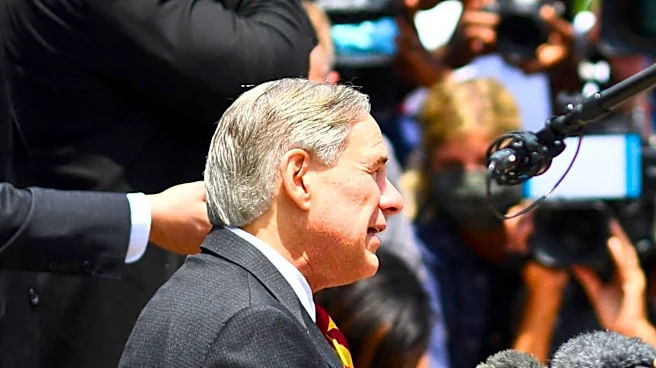
Governor Greg Abbott is centering his re-election campaign on making Texas more affordable, introducing a range of policy proposals aimed at reducing the cost of living. A key component of his plan focuses on housing, seeking to increase supply by streamlining
permitting and construction processes. This includes advocating for legislation that would allow developers to build pre-approved home designs and making it a right for homeowners to construct additions to their properties. Additionally, Abbott's strategy involves a property tax overhaul, proposing caps on local spending and home appraisals, creating rollback elections to lower rates, and a constitutional amendment to eliminate school property taxes. He also suggests initiatives like cheaper summer college courses and shorter degree pathways. This approach marks a shift for the governor, who has not previously made affordability a central theme in his campaigns, despite data from the Urban Institute indicating that 50% of Texans struggled to cover essential expenses in 2023, slightly above the national average.
Why It's Important?
The focus on affordability by Governor Abbott highlights a significant concern for Texans, as half of the state's population reportedly struggles with essential expenses. His proposals, particularly those targeting housing, could have a substantial impact on the real estate market and construction industry by potentially accelerating development and increasing housing stock. The property tax reforms, including the elimination of school property taxes, could lead to considerable financial relief for homeowners, though they would necessitate a re-evaluation of public school funding mechanisms. While experts acknowledge the potential effectiveness of his housing strategies, they also point out that the plan largely overlooks other major cost drivers such as healthcare and childcare. Texas currently has the highest uninsured rate in the nation, and health insurance costs have risen significantly. The debate over these proposals, especially in an election year, underscores the economic pressures faced by residents and the differing approaches to address them, with his Democratic opponent advocating for direct financial relief.
What's Next?
Governor Abbott's proposals are expected to be central to his campaign messaging as he seeks re-election. The legislative aspects of his plan, such as changes to permitting processes and property tax reforms, would require passage during future legislative sessions. The success of these initiatives will depend on political will and bipartisan support, especially given the complex nature of overhauling property tax systems and addressing housing supply issues. His Democratic opponent, Austin state Representative Gina Hinojosa, has pledged to declare cost-of-living an emergency and propose $1,500 checks to every household, setting the stage for a policy-driven debate on economic relief. The ongoing discussion will likely involve experts and stakeholders from various sectors, including real estate, education, and healthcare, as the state grapples with how best to improve affordability for its residents.
Beyond the Headlines
Beyond the immediate policy implications, Governor Abbott's emphasis on affordability reflects a broader national trend where the cost of living has become a critical issue for voters. The focus on housing supply, in particular, aligns with bipartisan efforts at the federal level to reduce regulatory costs and streamline construction, suggesting a potential shift in how states approach housing crises. However, the omission of comprehensive solutions for healthcare and childcare costs in his current plan highlights a persistent challenge in addressing the full spectrum of affordability issues. The debate also touches upon the role of government intervention versus market-based solutions in managing economic pressures. The proposed changes to property taxes, especially the elimination of school property taxes, could trigger significant discussions about state funding models for public services and the potential for unintended consequences on local government revenues and educational quality.