







What's Happening?
Several Cinco de Mayo parades and festivals across the United States have been canceled for 2026, with organizers citing concerns over immigration enforcement and financial challenges. The holiday, which commemorates Mexico's victory over French forces
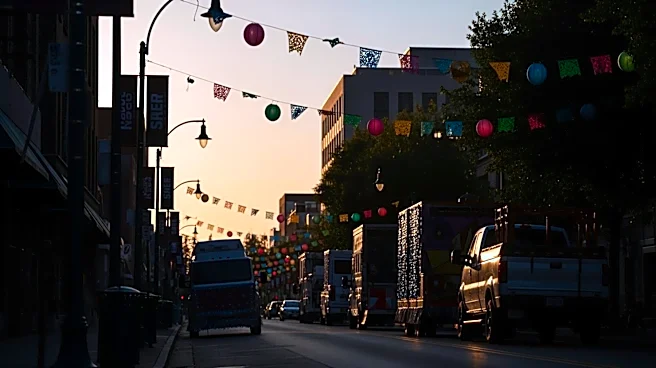
in 1862, is widely celebrated in the U.S. as a tribute to Mexican culture. However, heightened immigration enforcement under the current administration has led to fears of ICE activity, detentions, and raids, causing reduced participation in these events. In Chicago, the annual parade was canceled for the second year due to fears stemming from increased immigration enforcement actions. Similar cancellations occurred in Philadelphia and Houston, where organizers expressed concerns about community safety and participation. Financial constraints also played a role, as seen in Dallas and St. Louis, where funding shortages and logistical challenges led to the cancellation of local parades.
Why It's Important?
The cancellation of Cinco de Mayo events highlights the broader impact of immigration policies on cultural celebrations and community gatherings in the U.S. The fear of immigration enforcement has created a climate of uncertainty and caution among immigrant communities, affecting their willingness to participate in public events. This situation underscores the tension between cultural expression and immigration policy, as well as the financial vulnerabilities faced by community organizations. The cancellations also reflect the challenges of sustaining cultural traditions amid political and economic pressures, potentially leading to a loss of cultural heritage and community cohesion.
What's Next?
Organizers and community leaders may seek alternative ways to celebrate Cinco de Mayo that minimize the risk of immigration enforcement actions, such as smaller, private gatherings or virtual events. Advocacy groups might increase efforts to challenge aggressive immigration policies and support immigrant communities. Financially, organizations may explore new funding sources or partnerships to ensure the sustainability of future events. The situation could prompt broader discussions on the balance between cultural preservation and public safety in the context of immigration policy.