





What's Happening?
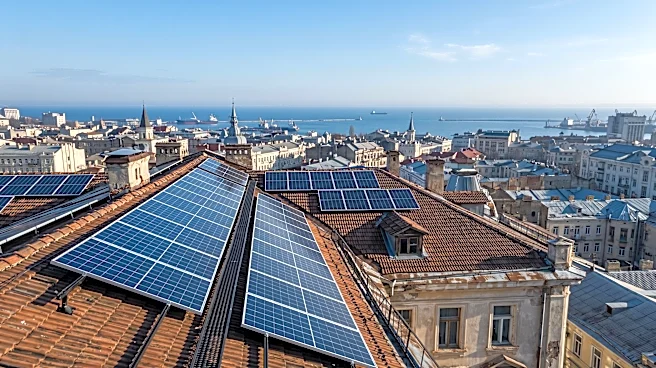
The United Nations Environment Programme (UNEP), with funding from Italy, has initiated a pilot decarbonization project in Odesa, Ukraine. This initiative aims to enhance the city's energy resilience against ongoing Russian attacks on its infrastructure
by exploring the potential of solar power and decentralized electricity generation. The project seeks to provide immediate solutions for energy needs while also laying the groundwork for a greener, long-term energy strategy for Ukraine, particularly in the context of its potential EU accession. Pier Carlo Sandei, Head of UNEP in Kyiv, highlighted that Odesa was chosen due to its significant solar potential, a proactive local administration, and Italy's specific patronage for the region. The project includes a 'solar city simulator' to identify optimal locations for solar panel installation on rooftops, with initial assessments suggesting that covering just 5% of Odesa's roofs with solar panels could meet 25% of the city's energy demands. This decentralized approach is seen as a crucial measure to mitigate the impact of attacks on centralized power infrastructure.
Why It's Important?
This project is significant as it addresses both immediate humanitarian needs and long-term strategic goals for Ukraine's energy sector. By promoting decentralized solar energy, it offers a more resilient alternative to traditional, centralized power grids, which have been frequent targets of military aggression. This shift not only enhances energy security but also aligns with global efforts towards decarbonization and sustainable development. The initiative could serve as a model for other Ukrainian cities facing similar challenges, demonstrating how renewable energy can be integrated into post-conflict recovery and reconstruction efforts. Furthermore, the project's emphasis on local administration engagement and international funding highlights the collaborative approach required to rebuild and modernize critical infrastructure in conflict zones. The move away from expensive and environmentally detrimental diesel generators towards solar power also has positive economic and environmental implications for Ukraine's future energy mix.
What's Next?
The immediate next steps involve the continued implementation of the pilot project in Odesa, focusing on the deployment of solar panels and the development of decentralized energy systems. UNEP and Italy will likely monitor the effectiveness of these solutions in providing stable electricity and reducing vulnerability to attacks. The project also aims to establish a 'clearinghouse' mechanism to centralize information on energy projects across Ukraine, facilitating better coordination between various ministries and attracting further investment from donors and the private sector. While Italy has financed the initial stage, there is an expectation that other donors and private capital, including Ukrainian investments, will contribute to the broader implementation of these green energy solutions. The long-term vision includes the potential for a 30-megawatt solar power plant, though its construction is contingent on improved security conditions to prevent it from becoming a target.
Beyond the Headlines
Beyond its immediate impact on Odesa's energy supply, this project carries deeper implications for the future of urban resilience and sustainable development in conflict-affected regions. It underscores the strategic importance of energy independence and diversification as a national security imperative. The decentralized nature of solar power makes it inherently more difficult to disable on a large scale, offering a blueprint for protecting critical services in an era of hybrid warfare. Moreover, the project highlights the potential for international partnerships to drive green recovery efforts, transforming destruction into an opportunity for sustainable innovation. The focus on combating corruption through strong safeguards and transparent management by the UN also sets a precedent for ethical reconstruction in post-conflict environments, ensuring that aid and investment are effectively utilized for the benefit of the affected populations.