


What's Happening?
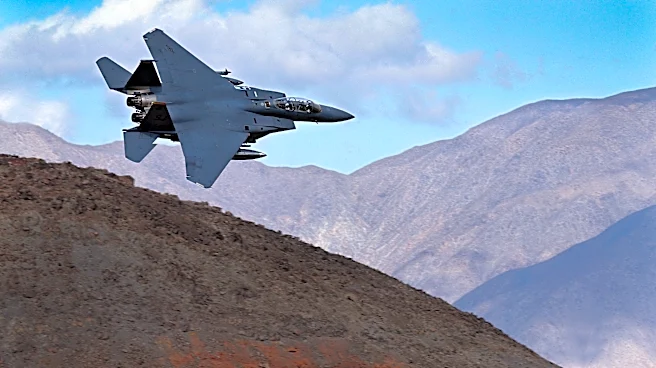
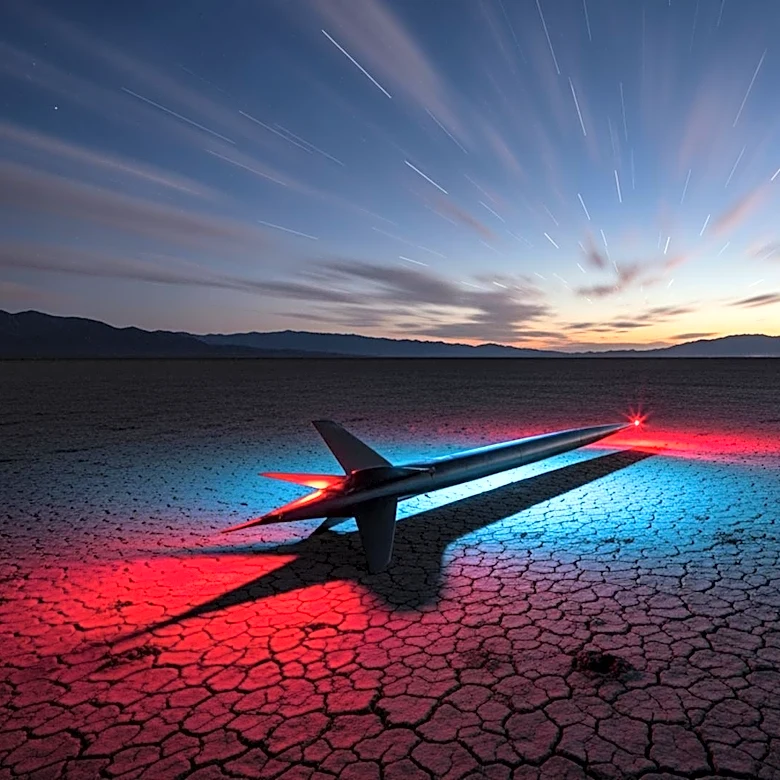
The Gulf States, including the UAE, Bahrain, Kuwait, and Saudi Arabia, are facing ongoing threats from Iranian missile and drone attacks. These attacks have targeted critical energy and infrastructure sites, posing significant challenges to the region's
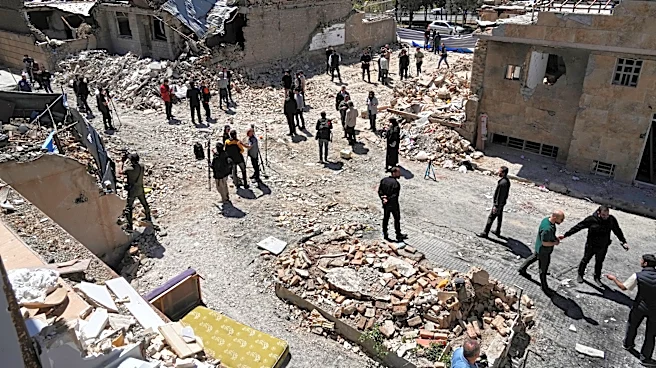
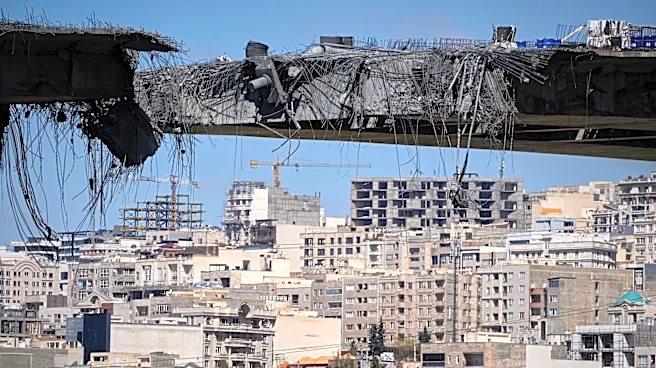
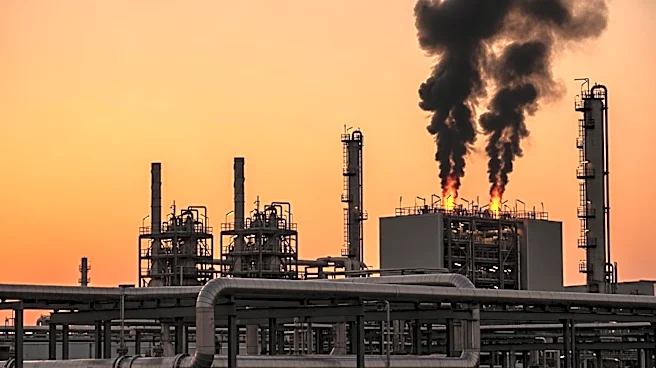
security. Recently, the UAE's Defense Ministry reported dealing with new missile and drone attacks from Iran, with air defenses actively intercepting these threats. In Kuwait, Iranian drones attacked the Mina al-Ahmadi refinery and a power generation and water desalination plant. Additionally, operations at the Habshan gas facilities in Abu Dhabi were temporarily suspended after debris from an interception caused fires and casualties. Emirates Global Aluminium also reported severe damage to its Al Taweelah site due to these attacks.
Why It's Important?
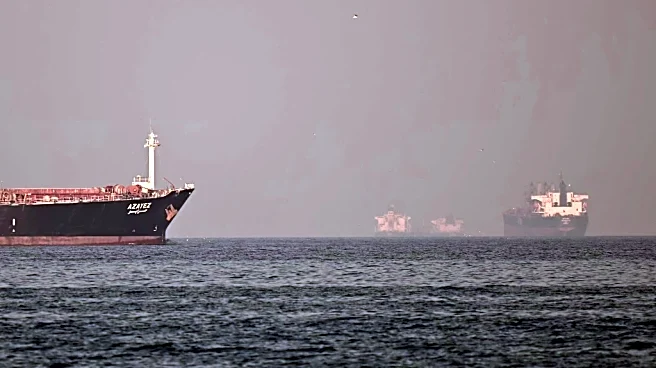
The ongoing Iranian attacks on Gulf States' infrastructure highlight the region's vulnerability and the potential for significant economic and security repercussions. The targeted energy sites are crucial for the Gulf economies, and disruptions can lead to broader economic instability. The attacks also underscore the geopolitical tensions in the region, with Iran's actions potentially escalating into broader conflicts. The Gulf States' ability to defend against these threats is critical for maintaining regional stability and ensuring the safety of their populations and economic interests. The situation also impacts global energy markets, as any prolonged disruption in the Gulf's energy production could affect global oil prices and supply chains.
What's Next?
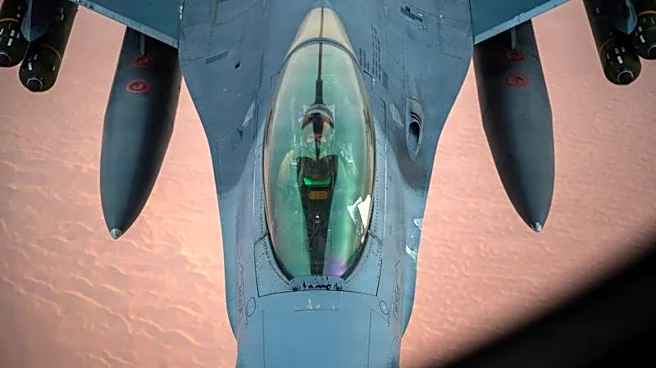
The Gulf States are likely to continue enhancing their defense capabilities to counter the Iranian threat. This may involve increased military cooperation among the Gulf Cooperation Council (GCC) members and potential support from international allies. Diplomatic efforts to de-escalate tensions with Iran could also be pursued to prevent further attacks. The situation may prompt discussions on regional security frameworks to address the persistent threats. Additionally, the affected countries will need to focus on repairing and securing their infrastructure to prevent future disruptions and ensure the resilience of their energy sectors.