

What's Happening?
The O-1B visa, designed for individuals with extraordinary ability in the arts or extraordinary achievement in motion picture or television, operates under specific regulations regarding the authorized length of stay and work permission in the United
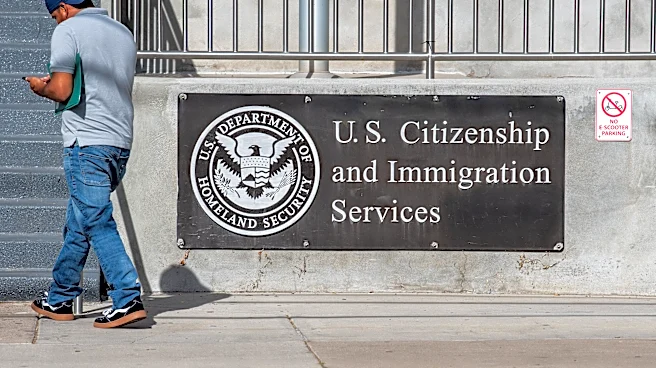
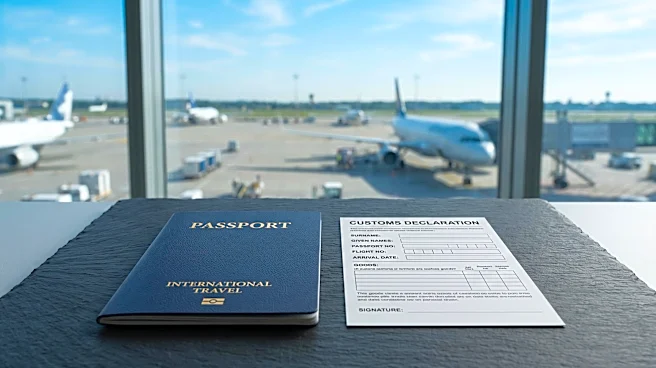
States. According to 4dev.com, the visa's expiration date does not dictate how long an individual can remain in the U.S. Instead, the U.S. Customs and Border Protection (CBP) makes the final admission decision at a port of entry, recording the authorized period of stay on the I-94 form. This I-94 record, along with any subsequent USCIS status or extension, determines the current authorization. A valid visa primarily concerns travel to seek admission and does not automatically extend one's stay beyond the I-94's admit-until date. Similarly, the I-94 alone does not grant unrestricted work authorization; employment must align with the approved petition and its specified dates. Petition approval, visa processing, and admission are distinct processes, each with separate requirements and costs, emphasizing that a valid visa does not guarantee entry or an extended stay.
Why It's Important?
Understanding the nuances of O-1B visa regulations is crucial for foreign nationals in the arts and entertainment industries seeking to work in the U.S., as well as for their U.S. employers and agents. Misinterpreting visa validity for authorized stay can lead to serious immigration violations, including overstaying, which can result in future bars from re-entry. For employers, ensuring that an O-1B visa holder's work aligns precisely with the approved petition and I-94 dates is essential to avoid penalties for unauthorized employment. The distinction between visa validity, I-94 records, and petition approval highlights the complexity of U.S. immigration law, requiring careful adherence to each component. This framework protects the integrity of the U.S. labor market by ensuring that foreign workers are authorized for specific roles and durations, while also providing a structured pathway for exceptionally talented individuals to contribute to American culture and economy.
What's Next?
O-1B visa holders and their petitioners must diligently monitor I-94 records and petition validity periods. Any discrepancies in admission class or dates on the I-94 should be promptly reviewed at CBP deferred inspection sites, as these are considered entry errors rather than matters for routine extension filings. For those seeking to extend their stay, a new Form I-129 must be filed with USCIS, clearly indicating whether the extension is for continuing the same event or undertaking a new activity, as this affects the potential duration of the extension. New employers or significant changes to approved employment also necessitate new or amended petitions. Furthermore, O-1B visa holders must be aware of the discretionary grace period of up to 60 days if qualifying employment ends, which does not guarantee 60 days or authorize work. Continuous vigilance and adherence to USCIS and CBP guidelines are essential for maintaining lawful status and employment.
Beyond the Headlines
The intricate system governing O-1B visas reflects a broader U.S. immigration policy that balances the desire to attract global talent with the need for strict control over who enters and works in the country. The separation of petition approval, visa issuance, and admission decisions creates multiple checkpoints, each designed to ensure compliance with specific legal criteria. This multi-layered approach can be challenging for beneficiaries and petitioners to navigate, often requiring legal expertise to avoid pitfalls. The emphasis on the I-94 record over visa validity underscores a fundamental principle of U.S. immigration: the government retains ultimate authority over an individual's presence within its borders, regardless of prior approvals. This system also highlights the ongoing tension between facilitating international exchange and maintaining national security and labor market protections, influencing how the U.S. is perceived as a destination for global artistic and entertainment talent.