






What's Happening?
Jim McHale, president of JP McHale Pest Management, identified a collection of insects caught in Biogents mosquito traps, which included various species of midges, crane flies, beetles, mosquitoes, and gnats. This identification was part of a review of the
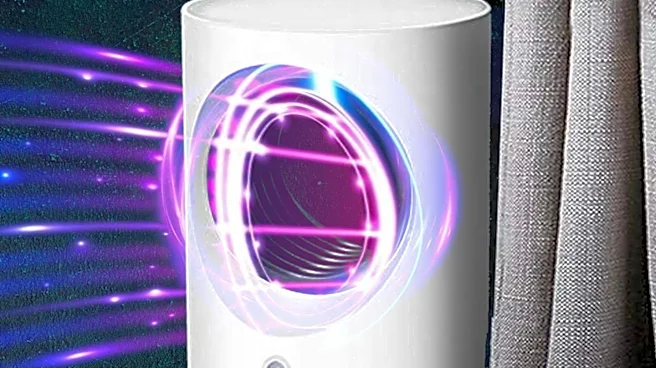
Biogents Mosquitaire and GAT traps, which are designed to reduce mosquito populations. The Mosquitaire traps, which use a SweetScent attractant and a fan to trap mosquitoes, caught a significant number of common floodwater and Asian tiger mosquitoes. However, the GAT traps, intended to catch egg-laying female mosquitoes, were less effective in the specific testing environment. McHale's analysis indicated that many of the trapped insects were primarily aquatic and/or plant feeders, rather than urban pests that bite humans. This suggests that while the traps are effective at catching a variety of insects, their primary target, biting mosquitoes, may not always be the majority of the catch depending on the environment.
Why It's Important?
The identification by Jim McHale highlights a crucial aspect of pest control strategies, particularly for mosquito management in the U.S. While the Biogents traps are marketed for mosquito eradication, the presence of numerous non-pest insects in the catch raises questions about the specificity and environmental impact of such devices. For U.S. consumers and pest management companies, understanding the full scope of what these traps capture is vital for making informed decisions about their use. If a significant portion of the catch consists of beneficial or harmless insects, it could lead to unintended ecological consequences, such as disrupting local ecosystems by removing non-target species. This also impacts the cost-effectiveness of these relatively expensive traps, as consumers might be paying for a broad-spectrum insect trap rather than a highly targeted mosquito solution. The findings underscore the need for thorough evaluation of pest control methods to ensure they are both effective against target pests and environmentally responsible.
What's Next?
Further research and development in mosquito trap technology may focus on increasing the specificity of attractants to target only pest mosquitoes, thereby minimizing the capture of non-target insects. Consumers and pest management professionals might demand more detailed information from manufacturers regarding the typical by-catch rates and the ecological impact of their products. Regulatory bodies in the U.S. could also consider establishing guidelines or certifications for pest control devices that address their selectivity and environmental footprint. For individuals, the findings suggest a need to combine trapping methods with other mosquito control strategies, such as eliminating standing water, to achieve more comprehensive and targeted results. The ongoing challenge will be to balance effective pest control with ecological preservation, especially as new technologies emerge.
Beyond the Headlines
The broader implication of Jim McHale's findings touches upon the ethical considerations of pest control and the public's perception of 'pests.' The distinction between biting mosquitoes and other insects, many of which play vital roles in ecosystems, is often lost in the general desire for pest eradication. This situation highlights a common challenge in environmental management: how to address specific nuisances without causing broader ecological harm. The reliance on commercial solutions like mosquito traps, while convenient, can obscure the complex interdependencies within local environments. It also brings to light the importance of expert entomological analysis in understanding the true impact of such interventions, moving beyond anecdotal evidence to scientific assessment. This deeper understanding can foster more sustainable and responsible approaches to managing insect populations in residential and public spaces across the U.S.