




What's Happening?
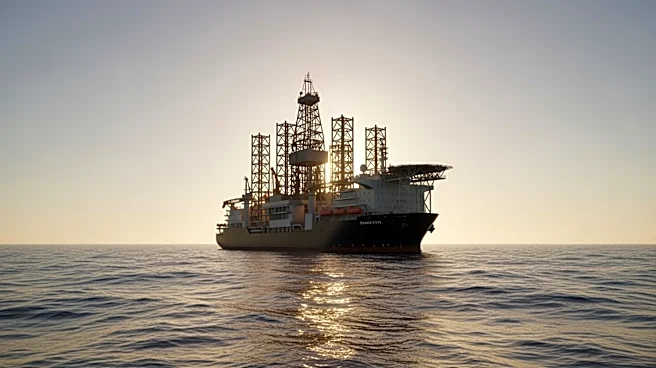
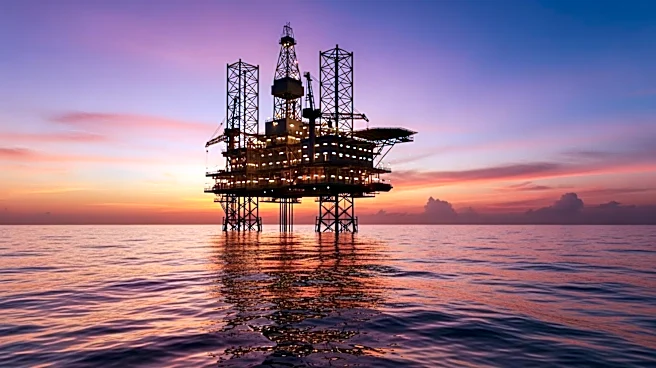
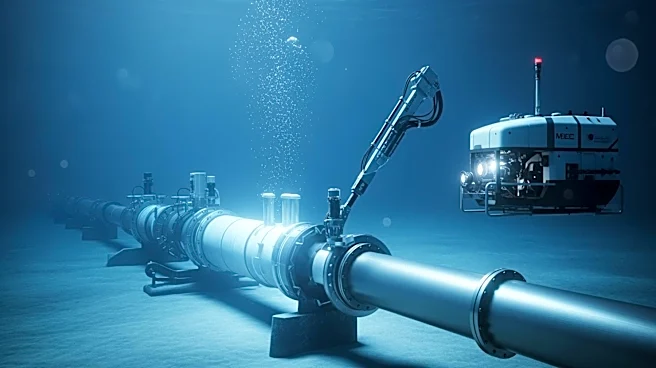
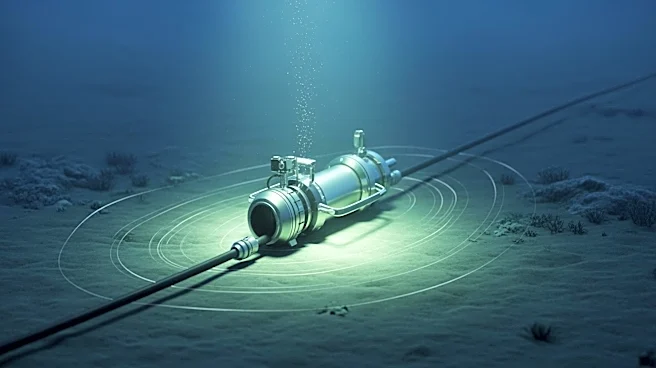
Hunting has secured a $63.5 million subsea order for a new offshore development in Guyana, reinforcing investment in FPSO-based projects in the region. The order includes the supply of titanium stress joints (TSJs), essential components for subsea riser
systems used in floating production, storage, and offloading (FPSO) vessels. Hunting's Subsea Spring business unit will execute the work, with delivery scheduled through May 2028. Revenue recognition is expected to begin in the second half of 2026. This order builds on an additional $4.4 million in related contracts awarded to Hunting's Stafford and Flexible Engineered Solutions units since late 2025, with potential for further scope as the development progresses.
Why It's Important?
Guyana is emerging as one of the fastest-growing offshore oil provinces globally, driven by deepwater FPSO developments. The subsea infrastructure, including riser systems and associated components, plays a crucial role in supporting production from these projects. Hunting's subsea order supports its segment outlook through 2028, as operators advance major offshore developments and associated FPSO installations. This development highlights the continued investment and growth in Guyana's offshore oil sector, which could have significant implications for global oil supply and market dynamics.
What's Next?
As Guyana continues to develop its offshore oil resources, further investment and expansion in subsea infrastructure are expected. Hunting and other industry players may secure additional contracts as the region's oil production capacity grows. The successful execution of these projects could enhance Guyana's position in the global oil market and attract more international investment. Stakeholders will likely monitor the progress of these developments and assess their impact on global oil supply and prices.
Beyond the Headlines
The growth of Guyana's offshore oil sector presents opportunities for economic development and increased energy security. However, it also raises environmental and regulatory considerations, as stakeholders must balance economic benefits with sustainable practices. The expansion of subsea infrastructure may prompt discussions on environmental impact and the need for responsible resource management. Additionally, the development of Guyana's oil resources could influence regional geopolitics and trade relations, as countries vie for access to its growing energy market.