




What's Happening?
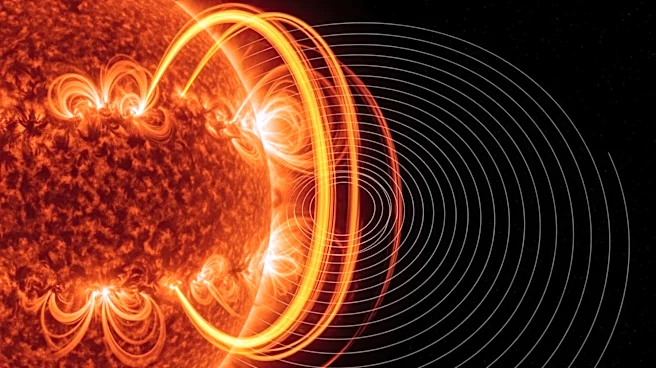
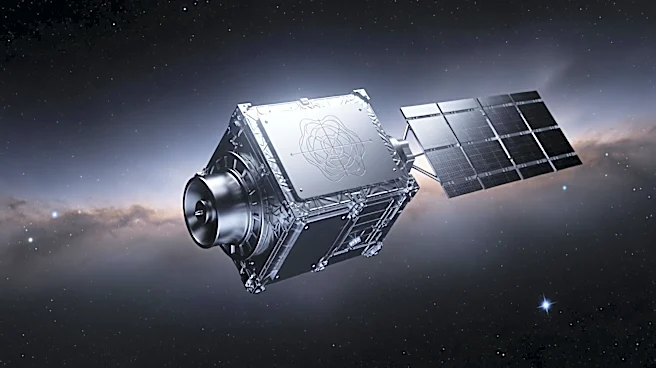
In 1998, ground controllers lost contact with the Solar and Heliospheric Observatory (SOHO), a joint mission by the European Space Agency and NASA, during routine maintenance. The spacecraft, designed to study the Sun, went silent due to a software error
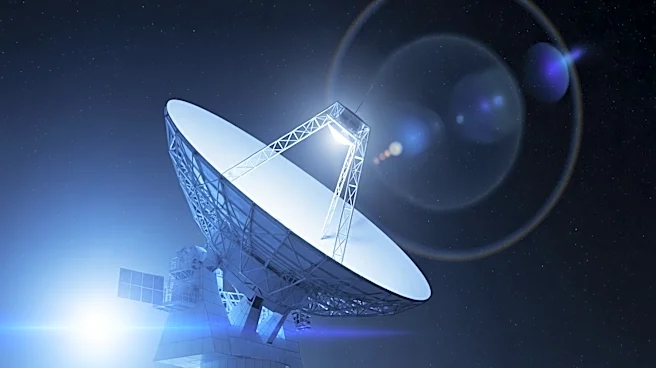
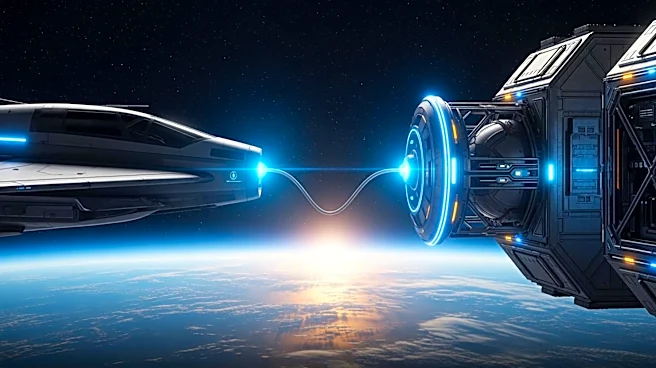
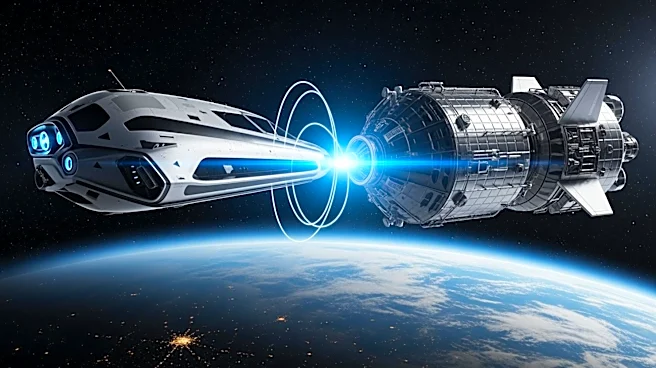
that led to operational mistakes, causing it to lose solar power and spin uncontrollably. The Arecibo radio telescope in Puerto Rico played a crucial role in locating the spacecraft by bouncing a radar signal off it, confirming its position and condition. The recovery process, which took several months, involved gradually restoring power and control to the spacecraft using NASA's Deep Space Network.
Why It's Important?
The successful recovery of SOHO highlighted the importance of international collaboration and advanced ground-based technology in space missions. It demonstrated the resilience of space missions and the ability to overcome significant technical challenges. The incident also provided valuable lessons in spacecraft operations and error management, leading to improved procedures and protocols. SOHO's continued operation beyond its initial mission has contributed significantly to solar research and the discovery of comets, underscoring the long-term scientific value of space missions.
What's Next?
The lessons learned from the SOHO recovery have influenced the design and operation of subsequent space missions, emphasizing the need for robust error management systems. The incident has also reinforced the importance of maintaining and upgrading ground-based facilities like the Arecibo Observatory, which play a critical role in space exploration. Future missions may incorporate more advanced technologies to prevent similar incidents and ensure the longevity and success of space observatories.