











What's Happening?
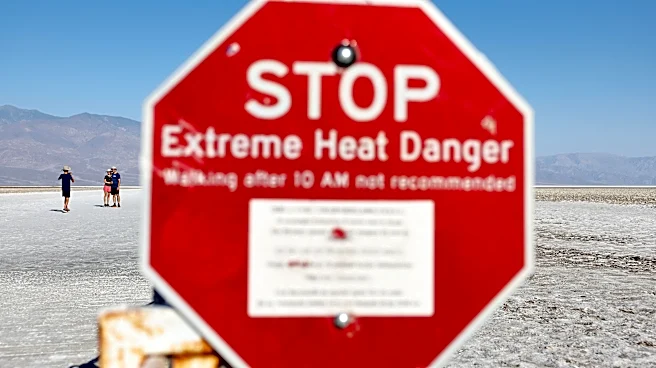
Heat domes, high-pressure systems that trap heat and humidity, are becoming more frequent and severe due to climate change. These phenomena are responsible for extreme heat waves, which have been affecting various regions globally, including the U.S.
In March 2026, the continental U.S. experienced its hottest month in 132 years, with record temperatures in the Southwest. The Eastern U.S. is expected to face a prolonged heat wave, while the Southwest is already experiencing temperatures around 100 degrees Fahrenheit. Climate scientists attribute the worsening heat waves to human activities, such as burning fossil fuels, which increase heat-trapping gases in the atmosphere.
Why It's Important?
The intensification of heat domes and heat waves poses significant risks to public health, infrastructure, and the environment. Prolonged exposure to extreme heat can lead to heat-related illnesses and fatalities, particularly among vulnerable populations without access to cooling resources. The economic impact includes increased energy demand for cooling and potential disruptions to agriculture and outdoor industries. As climate change continues to exacerbate these conditions, there is an urgent need for policy measures to mitigate greenhouse gas emissions and adapt infrastructure to withstand extreme weather events.
What's Next?
Communities and governments are likely to increase efforts to provide resources such as cooling centers and public awareness campaigns to help residents cope with extreme heat. Long-term strategies may involve investing in green infrastructure and renewable energy to reduce reliance on fossil fuels. Policymakers may also face pressure to implement stricter environmental regulations and support international climate agreements to address the root causes of climate change.