





What's Happening?
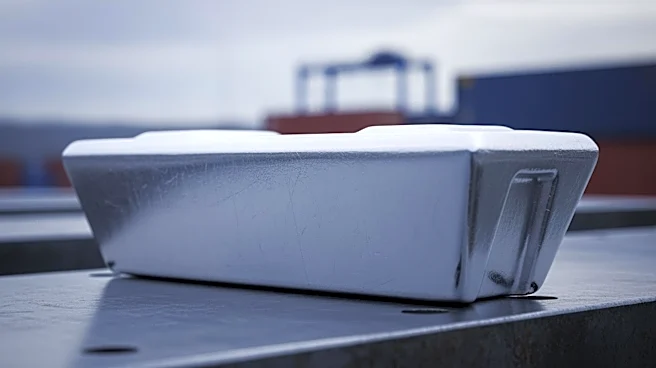
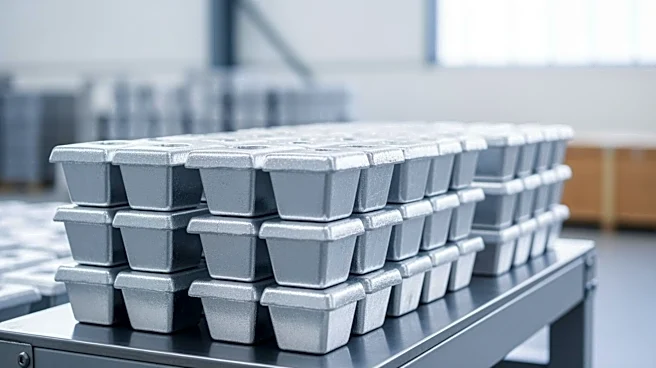
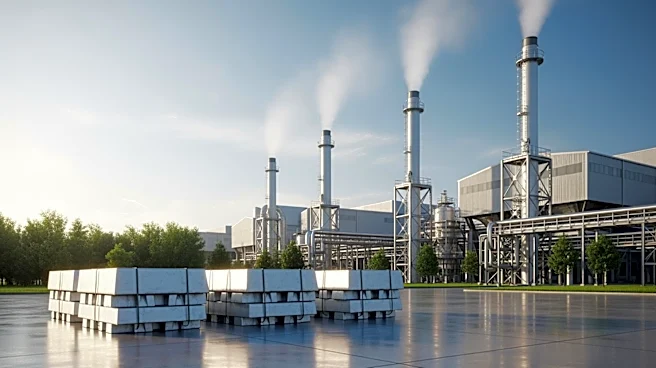
Rio Tinto has commissioned a $1.5-billion expansion of its AP60 smelter at the Complexe Arvida operation in Québec. This expansion marks a significant advancement in low-carbon aluminium smelting technology. The project, which began in March, is expected
to be completed by the end of 2026, increasing the plant's production capacity by 160,000 tons per year. The expansion supports 100 permanent jobs and generated over $1 billion in economic benefits for Québec. The AP60 technology, developed by Rio Tinto, is among the most efficient and low-carbon technologies available, significantly reducing greenhouse gas emissions. The expansion aligns with efforts to transition to carbon-free aluminium electrolysis technology, supported by the Canadian government.
Why It's Important?
The expansion of the AP60 smelter is crucial for advancing sustainable aluminium production, reducing carbon emissions, and supporting economic growth in Québec. By utilizing low-carbon technology, Rio Tinto strengthens its position as a leader in sustainable aluminium production, meeting the growing demand for environmentally friendly materials. The project also demonstrates the potential for innovation in the metals industry to contribute to global decarbonization efforts. The economic benefits and job creation associated with the expansion further highlight the positive impact of sustainable industrial development on local communities.
Beyond the Headlines
The AP60 expansion represents a broader shift towards sustainable industrial practices, with potential implications for global aluminium markets. As demand for low-carbon materials increases, companies like Rio Tinto are well-positioned to capitalize on this trend, potentially influencing industry standards and regulatory frameworks. The project also underscores the importance of government support in advancing technological innovation and sustainability in heavy industries. The collaboration between Rio Tinto and the Canadian government could serve as a model for other countries seeking to balance economic development with environmental responsibility.