







What's Happening?
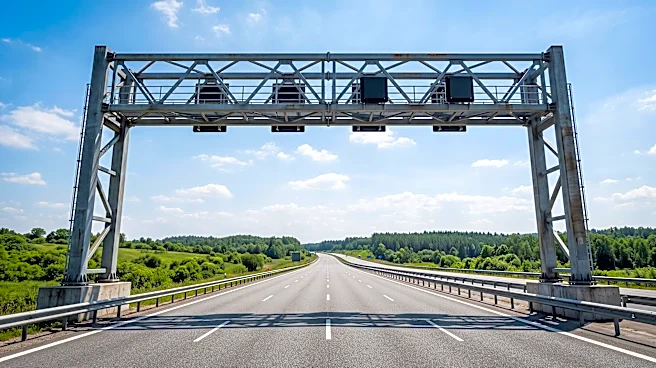
The Pennsylvania Turnpike Commission has revealed that 47 cents of every toll dollar collected goes towards covering debt service. This significant portion of revenue is allocated to obligations largely stemming from Act 44 of 2007, which mandated the
commission to contribute to funding transportation initiatives outside the Turnpike system. The remaining toll revenue is distributed among various operational needs: 13 cents for maintenance, repairs, and improvements; 16 cents for reserves; 12 cents for personnel; 9 cents for services and supplies; and 3 cents for statewide transportation. Unlike most Pennsylvania highways, the Turnpike operates without state or federal tax dollars, relying solely on customer tolls for its funding, including snow removal, bridge repairs, emergency response, and dedicated State Police presence. The commission has implemented cost-saving measures, such as refinancing, which has generated $1.7 billion in savings since 2010, and has consistently kept expenses below budget for nine consecutive years. Additional revenue sources include tower leases, concessions, and energy projects.
Why It's Important?
This allocation of nearly half of Pennsylvania Turnpike toll revenue to debt service highlights a critical financial challenge for the commission and has direct implications for drivers and the state's infrastructure. The reliance on tolls to cover substantial debt limits the funds available for immediate infrastructure upgrades and expansion, potentially impacting the quality and safety of the roadway over time. For drivers, it means that a significant portion of their payments is not directly improving their current travel experience but rather addressing past financial obligations. This financial structure also underscores the unique operational model of the Pennsylvania Turnpike, which functions independently of taxpayer funding for its core operations. The commission's efforts to manage debt through refinancing and cost controls are crucial for maintaining financial stability and ensuring the long-term viability of the Turnpike as a self-sustaining entity. The situation also raises questions about the sustainability of funding broader transportation needs through dedicated infrastructure entities.
What's Next?
The Pennsylvania Turnpike Commission will likely continue its efforts to manage and reduce its debt burden, potentially exploring further refinancing opportunities or other financial strategies to free up more revenue for direct infrastructure investment. Drivers can expect ongoing communication from the commission regarding toll structures and the allocation of funds, especially as the commission seeks to balance debt repayment with the need for continuous maintenance and improvements. There may also be continued emphasis on encouraging E-ZPass adoption, as it offers savings to drivers and streamlines toll collection for the commission. Future legislative discussions could revisit the mandates of Act 44 of 2007 or explore alternative funding mechanisms for statewide transportation to alleviate the financial strain on the Turnpike. The commission will also need to monitor traffic volumes and revenue generation to ensure it can meet its financial obligations while providing essential services to its users.
Beyond the Headlines
The significant portion of Pennsylvania Turnpike tolls dedicated to debt service reflects a broader national challenge in funding and maintaining critical infrastructure. Many states face similar dilemmas where past legislative decisions or funding models have created long-term financial commitments that impact current operational capabilities. This situation highlights the complex interplay between infrastructure development, public policy, and user fees. It also brings to light the ethical considerations of intergenerational equity, where current users are paying for past decisions that may not directly benefit them in the present. The reliance on tolls for such a large portion of infrastructure funding can also create economic disparities, disproportionately affecting lower-income individuals who may have fewer alternative routes. The long-term implications could include increased pressure for toll hikes or a potential decline in infrastructure quality if debt obligations continue to consume a large share of revenue, ultimately impacting economic efficiency and public safety.