







What's Happening?
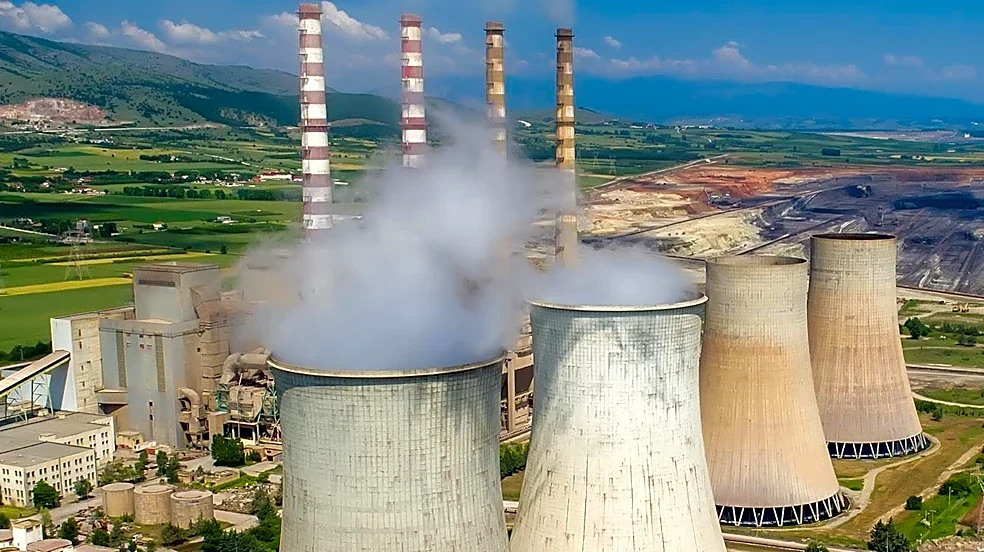
European coal-fired power plants are experiencing a significant surge in profitability due to tight power markets, high natural gas prices, colder temperatures, and reduced solar energy output. This situation has led to increased utilization of coal capacity,
which was previously being mothballed to reduce emissions. According to Energy Aspects, a German lignite margin gauge now stands at €64 per megawatt-hour for the current month, a substantial increase from nearly zero a year ago. Hard-coal plants are also back in profit, with an average spread of €37.30 per megawatt-hour in October, compared to a negative spread a year prior. This shift is attributed to gas prices leaping far more than coal prices, widening coal's margin advantage. Germany and Poland, which together produced over 74% of the EU's coal-fired electricity last year, are central to this trend, with operators like RWE AG and Polska Grupa Energetyczna S.A. running their plants harder.
Why It's Important?
This resurgence of coal power in Europe has significant implications for global energy markets, climate goals, and the U.S. energy sector. While the immediate impact is on European power-sector emissions, which could increase this autumn and winter, it highlights the fragility of energy transitions when faced with market volatility and geopolitical factors. For the U.S., this situation underscores the importance of energy independence and diversified energy sources to mitigate similar risks. The increased demand for coal could also affect global commodity prices, potentially influencing U.S. coal exports or the cost of energy for U.S. industries. Furthermore, it serves as a cautionary tale for policymakers globally, demonstrating the challenges of phasing out fossil fuels while ensuring energy security and affordability. The situation also reveals how interconnected global energy markets are, where events in one region can have ripple effects worldwide.
What's Next?
The profitability of European coal plants is expected to remain high through March, according to Energy Aspects. However, several friction points could limit these gains, including persistently low water levels on key rivers like the Rhine, which raise transport costs for coal and could lead to output cuts. The long-term durability of these profits will depend on policy paths and the build-out of new backup resources, particularly in countries like Germany, which has shut its final nuclear units and aims to retire coal while increasing reliance on renewables. The current situation suggests that existing coal fleets will remain pivotal when wind and solar power generation dips, at least until sufficient backup gas plants or other renewable energy storage solutions are in place. The ongoing market dynamics will likely influence investment decisions in both fossil fuels and renewable energy infrastructure across Europe and potentially beyond.
Beyond the Headlines
The unexpected profitability of European coal plants reveals a deeper tension between immediate energy security needs and long-term climate objectives. This development highlights the complex interplay of economic pressures, environmental commitments, and geopolitical realities in shaping energy policy. The reliance on coal, a highly carbon-intensive fuel, directly contradicts the EU's ambitious emissions reduction targets and could set back efforts to combat climate change. This situation also raises ethical questions about the trade-offs between economic stability and environmental responsibility, particularly when consumers face rising energy costs. The challenges faced by Europe in transitioning to a greener energy grid, especially in the absence of sufficient backup capacity, offer valuable lessons for other nations, including the U.S., as they navigate their own energy transitions. It underscores the need for robust and resilient energy systems that can withstand market shocks and ensure both affordability and sustainability.