







What's Happening?
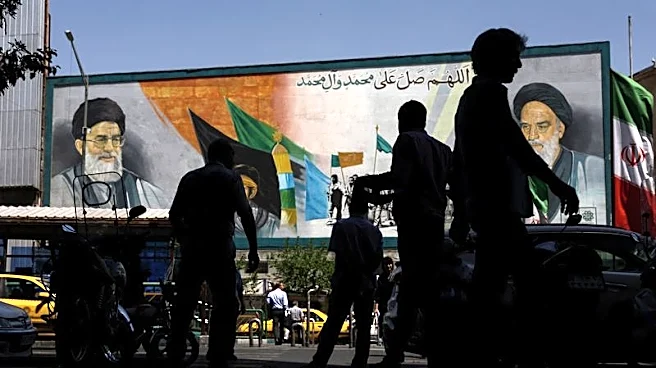
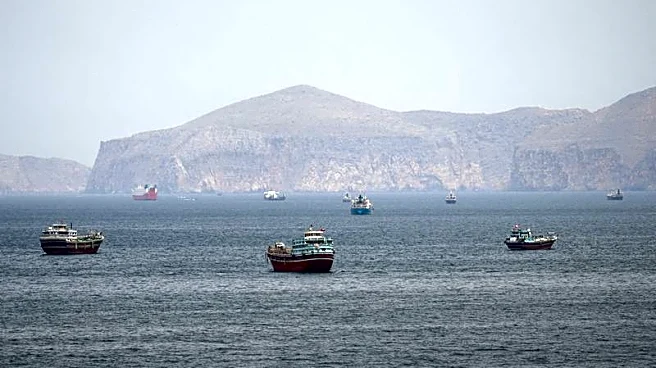
The Organization for Economic Cooperation and Development (OECD) has issued a warning that the ongoing conflict in the Middle East, particularly the war involving Iran, could severely impact the global economy. The disruption of energy supplies from the Middle East, especially
through the Strait of Hormuz, has already led to a significant reduction in crude oil and natural gas shipments. This has resulted in a sharp increase in energy prices, which the OECD predicts could push some countries into recession. The report highlights that global growth could slow significantly, with projections indicating a drop from 3.4% last year to 2.1% this year, and further down to 1.8% in 2027 if the disruption continues. The hardest-hit regions would be Asian economies reliant on Gulf energy supplies and poorer countries where a large portion of income is spent on fuel and food.
Why It's Important?
The potential economic downturn due to the energy supply disruption could have widespread implications. Higher energy prices are likely to lead to increased inflation and unemployment globally. Countries heavily dependent on Middle Eastern energy supplies may face severe economic challenges, potentially leading to social unrest. The situation underscores the vulnerability of global economies to geopolitical conflicts and the critical importance of energy security. The OECD's warning also highlights the need for strategic planning and diversification of energy sources to mitigate such risks.
What's Next?
The OECD suggests that government interventions should focus on targeted relief for those most affected by rising energy costs, while avoiding excessive government debt. The organization also emphasizes the importance of maintaining incentives for energy conservation. As the conflict continues, international diplomatic efforts may intensify to stabilize the region and ensure the security of energy supplies. The global community may also explore alternative energy sources and technologies to reduce dependency on Middle Eastern oil.