


What's Happening?
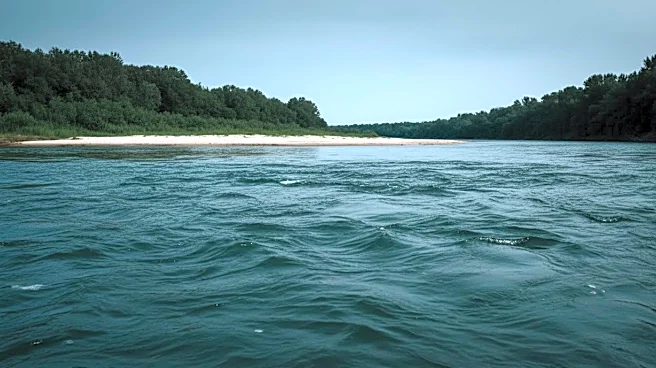
An unresponsive swimmer was rescued from the Savannah River over the weekend and is currently in critical condition, according to his family. The incident occurred on Saturday afternoon near a sandbar, prompting a 911 call reporting a possible drowning.
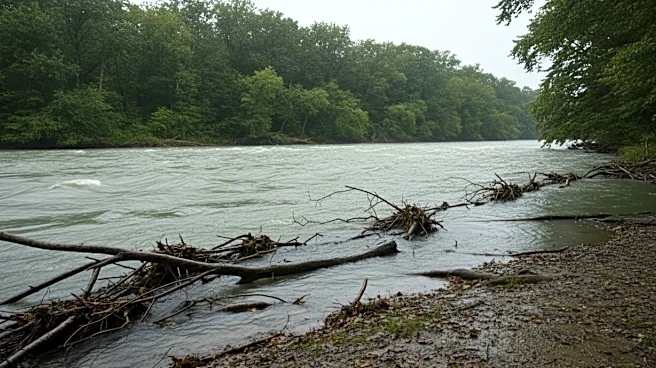
Robert Amerson, who was on the river with his wife, heard calls for help and initiated CPR on the victim before emergency services arrived. The North Augusta Department of Public Safety and emergency medical crews responded to the scene at the park’s boat ramp area. Officers continued CPR until EMS took over and transported the unconscious and non-breathing victim to Wellstar MCG for treatment. The North Augusta Public Safety has classified the case as a medical call. Amerson highlighted the deceptive nature of the Savannah River's currents, noting that they can easily pull swimmers downstream, and emphasized the importance of safety measures like life jackets.
Why It's Important?
This incident underscores the inherent dangers of natural waterways, even those that appear calm, and highlights the critical importance of water safety awareness and immediate emergency response. The Savannah River, like many large rivers, can have strong undercurrents that pose significant risks to swimmers, as noted by Robert Amerson. The quick actions of bystanders like Amerson, who performed CPR, were crucial in providing initial life-saving efforts before professional medical help arrived. This event serves as a stark reminder for the public, particularly those engaging in recreational activities near rivers, to be vigilant about water conditions and to be prepared for emergencies. It also implicitly advocates for broader public awareness campaigns regarding river safety and the accessibility of CPR training, which can be vital in such critical situations.
What's Next?
The man remains in critical condition at Wellstar MCG, and his recovery will be closely monitored. Authorities will likely continue to investigate the circumstances surrounding the near-drowning, though it has been classified as a medical call. This incident may prompt local authorities and community organizations to reiterate warnings about river safety and the potential hazards of strong currents in the Savannah River. There could be increased public outreach efforts to encourage individuals to take water safety precautions, such as wearing life jackets and understanding the risks associated with river swimming. Additionally, the event might lead to renewed calls for more widespread CPR training within the community, as the immediate intervention by a bystander was a key factor in the initial response.
Beyond the Headlines
The incident in the Savannah River brings to light the broader societal implications of water-related accidents and the role of community preparedness. Beyond the immediate tragedy, such events often spark discussions about public access to life-saving skills like CPR and the effectiveness of local emergency response systems. The emphasis on the river's deceptive currents by a local resident points to a potential need for clearer signage or public information campaigns about specific hazards in popular recreational areas. Ethically, it raises questions about individual responsibility in assessing risks during leisure activities and the collective responsibility of communities to ensure safety infrastructure and knowledge are readily available. This event could also influence local policy discussions regarding water safety regulations and resource allocation for emergency services along popular waterways.