





What's Happening?
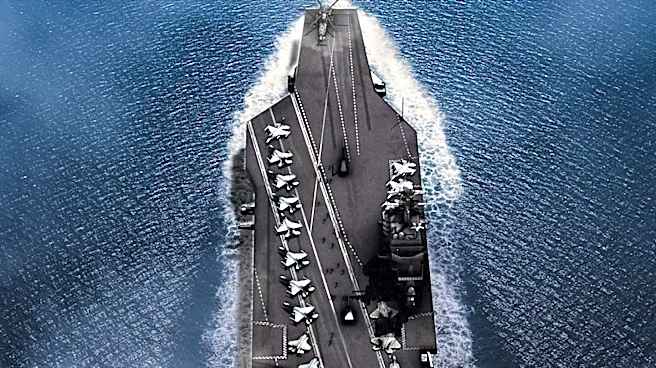
The U.S. Navy is reportedly considering changing the name of the future Gerald R. Ford-class aircraft carrier, CVN-81, which was previously announced to be named the USS Doris Miller. Internal discussions have included the possibility of naming the vessel
after President Trump. The Navy had announced in January 2020 that CVN-81 would honor Doris Miller, a Texas-born Black sailor whose heroism at Pearl Harbor made him a celebrated figure in World War II. This decision marked two historic firsts: the first U.S. aircraft carrier named for an African American and the first named for an enlisted sailor recognized for actions in service. Miller, born in Waco, Texas, in 1919, enlisted in the Navy in 1939 as a mess attendant, a role typically assigned to Black sailors during that segregated era. His bravery during the Pearl Harbor attack on December 7, 1941, where he manned an anti-aircraft machine gun despite lacking formal training and assisted wounded sailors, earned him the Navy Cross. He was later lost at sea in 1943 when his ship, the USS Liscome Bay, was torpedoed.
Why It's Important?
The potential renaming of CVN-81 carries significant symbolic weight, impacting discussions around racial recognition, military honors, and political influence within the U.S. Navy. The original decision to name the carrier after Doris Miller was a deliberate move to acknowledge his individual bravery and the broader contributions of African Americans to the nation's military history, particularly during a time of segregation. This honor was seen as a permanent acknowledgment of a sailor who displayed extraordinary courage despite facing limited opportunities due to his race. Renaming the carrier could be perceived as a step back from this commitment to recognizing diverse military heroes and could spark controversy regarding the politicization of military vessel names. Aircraft carrier names often reflect national values and historical figures, and a change would alter the narrative the Navy seeks to convey about its heritage and future. The discussion also highlights the ongoing debate about how the U.S. military honors its past and present service members, especially those from underrepresented communities.
What's Next?
No final decision has been announced by the Navy regarding the renaming of CVN-81, and the Department of Defense has stated it has nothing to announce at this time. The carrier is still under construction and is not expected to be delivered until the next decade, meaning there is time for the Navy to resolve the naming question. Reports suggest that if the name is changed, officials have considered naming another warship after Miller and renewing efforts to award him the Medal of Honor, an honor his family and supporters have long pursued. The family of Doris Miller has reportedly not been informed about the possible name change. Future construction milestones for CVN-81 could increase pressure on Navy leadership to finalize the naming decision. The outcome will determine not only the name of a significant U.S. warship but also how the Navy chooses to preserve the legacy of Doris Miller and the broader representation of African Americans in military honors.
Beyond the Headlines
The debate over the naming of CVN-81 extends beyond a simple administrative decision, touching upon deeper ethical and cultural dimensions within the U.S. military and society. The initial decision to honor Doris Miller was a powerful statement against historical racial injustices and a recognition of valor that transcended the systemic discrimination of his era. A potential reversal could reignite discussions about the military's commitment to diversity and inclusion, particularly concerning how it memorializes its heroes. It also raises questions about the influence of political figures on institutional decisions that have long-term symbolic implications. The legacy of Doris Miller, as a symbol of resilience and courage in the face of adversity, is deeply ingrained in American military history. Any change to the carrier's name would inevitably be viewed through the lens of this historical context, potentially affecting public perception of the Navy's values and its dedication to honoring all who serve, regardless of race or rank.