



What's Happening?
A recent opinion piece highlights the optimism derived from interactions with young Americans and Iranians amidst ongoing Middle East tensions. The author, stranded in New York due to travel disruptions, reflects on a speaking tour across ten U.S. states,
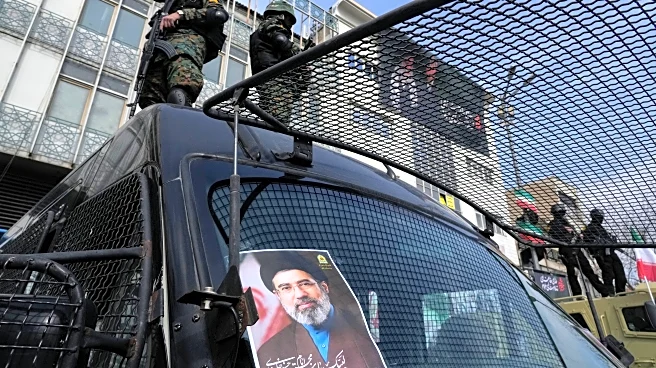
where young Americans engaged in discussions about Israel and Palestine. Despite protests, these interactions were marked by respectful dialogue and tough questioning. Concurrently, in Iran, young protesters have been actively challenging the regime, risking their safety to demand change. These movements are seen as pivotal, especially as tensions between Israel, Iran, and the U.S. continue to escalate, affecting regional stability and international relations.
Why It's Important?
The engagement of young Americans in discussions about Middle East politics signifies a shift in how future generations may influence U.S. foreign policy. Their willingness to engage, even in protest, suggests a growing interest in global issues and a potential for more informed public discourse. Meanwhile, the bravery of young Iranian protesters highlights a significant internal challenge to the Iranian regime, which could lead to substantial political changes. These developments are crucial as they may impact U.S. diplomatic strategies and international alliances, particularly in a region fraught with historical conflicts and geopolitical complexities.
What's Next?
As these youth movements gain momentum, they could influence policy decisions in the U.S. and Iran. In the U.S., increased awareness and activism among young people might pressure policymakers to reconsider their stance on Middle East conflicts. In Iran, sustained protests could lead to internal reforms or shifts in leadership, potentially altering the country's foreign policy. The international community, including the U.S., may need to respond to these changes, balancing support for democratic movements with strategic interests in the region.
Beyond the Headlines
The involvement of young people in these geopolitical issues underscores a broader cultural shift towards activism and engagement in global affairs. This trend may lead to a more interconnected and informed global citizenry, capable of influencing international policies and fostering cross-cultural understanding. Additionally, the resilience shown by these young individuals could inspire similar movements in other regions, promoting democratic values and human rights worldwide.