
What's Happening?
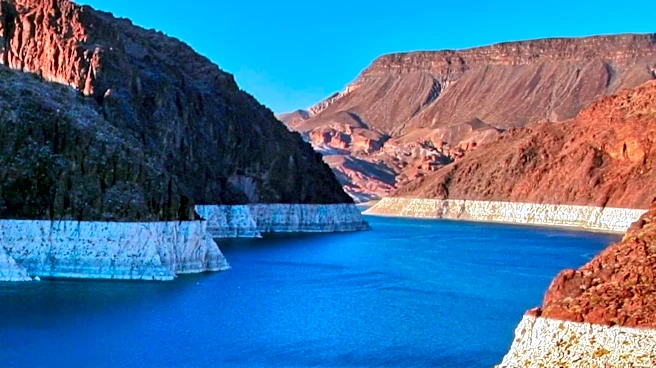
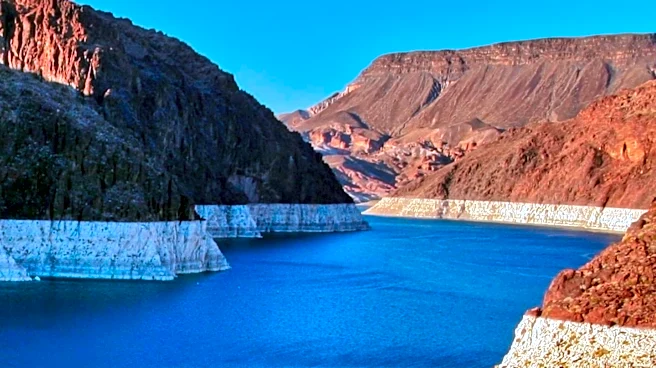
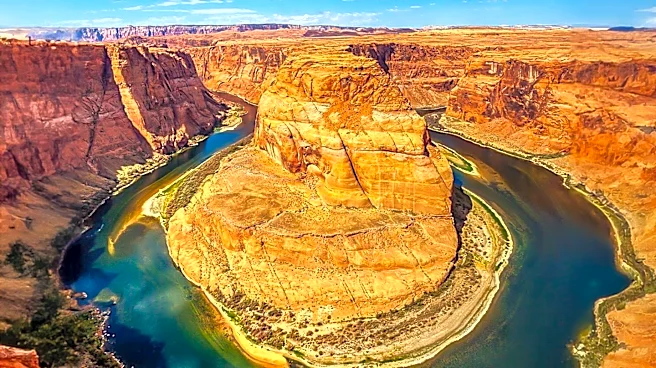
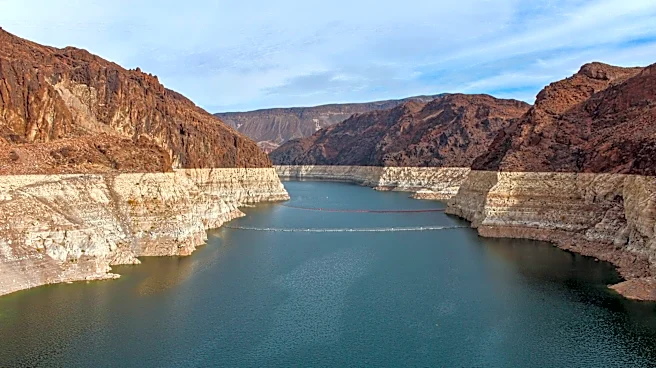
The United States is grappling with a severe water crisis exacerbated by climate change and decades of underinvestment in water infrastructure. Recent reports highlight that the Colorado River, a crucial
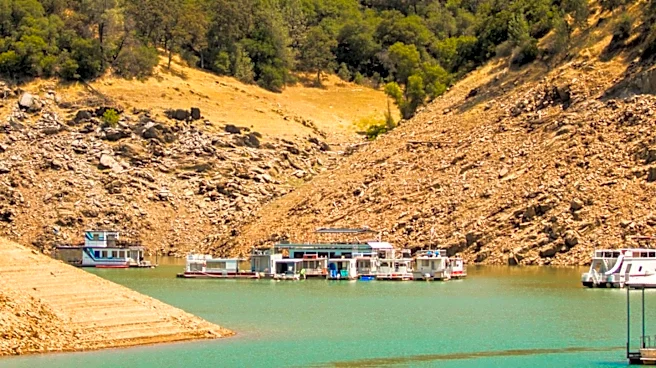
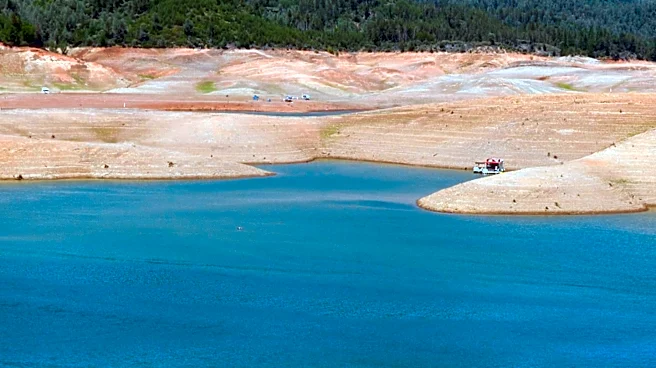
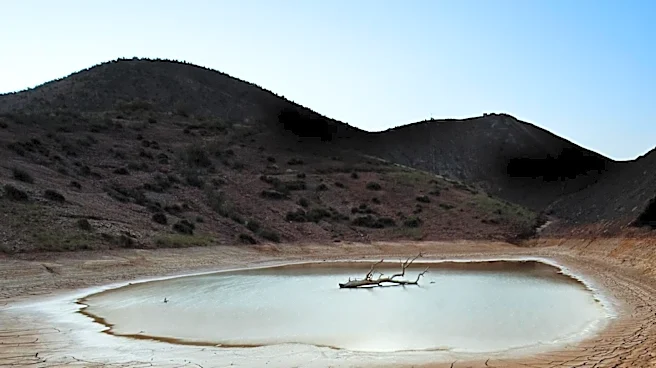
water source for seven U.S. states, is experiencing unprecedented shortages, with its major reservoirs at their lowest levels since construction. This situation is part of a broader global pattern of water scarcity, with regions like Puerto Rico facing severe droughts. The crisis is further compounded by the ongoing El Niño, which is intensifying weather extremes worldwide. Additionally, municipal water systems in the U.S. are increasingly vulnerable to cyberattacks, adding another layer of complexity to the crisis.
Why It's Important?
The water crisis poses significant risks to U.S. agriculture, energy production, and public health. The Colorado River's dwindling water levels threaten the agricultural output of states reliant on its water, potentially leading to food shortages and increased prices. Energy production is also at risk, as water is essential for cooling processes in power plants. The vulnerability of water systems to cyberattacks raises concerns about the security and reliability of water supplies. The crisis underscores the urgent need for investment in water infrastructure and policies to mitigate climate change impacts, as failure to address these issues could lead to increased water-related conflicts and public health challenges.
What's Next?
Addressing the water crisis will require coordinated efforts from federal, state, and local governments, as well as private sector investment. Potential solutions include enhancing water efficiency technologies, investing in advanced wastewater treatment systems, and developing international agreements to manage shared water resources. The U.S. government may need to reconsider its regulatory approach to water pollutants and increase funding for research on water resources and climate change. Public education campaigns could also play a role in raising awareness and promoting water conservation practices.
Beyond the Headlines
The water crisis highlights broader ethical and policy challenges, such as the need for equitable water distribution and the protection of vulnerable communities. It also raises questions about the role of technology in managing water resources, as data centers and other tech infrastructure increasingly compete with residential and agricultural needs for water. Long-term, the crisis could drive shifts in population and economic activity, as regions with stable water supplies become more attractive for living and business operations.