






What's Happening?
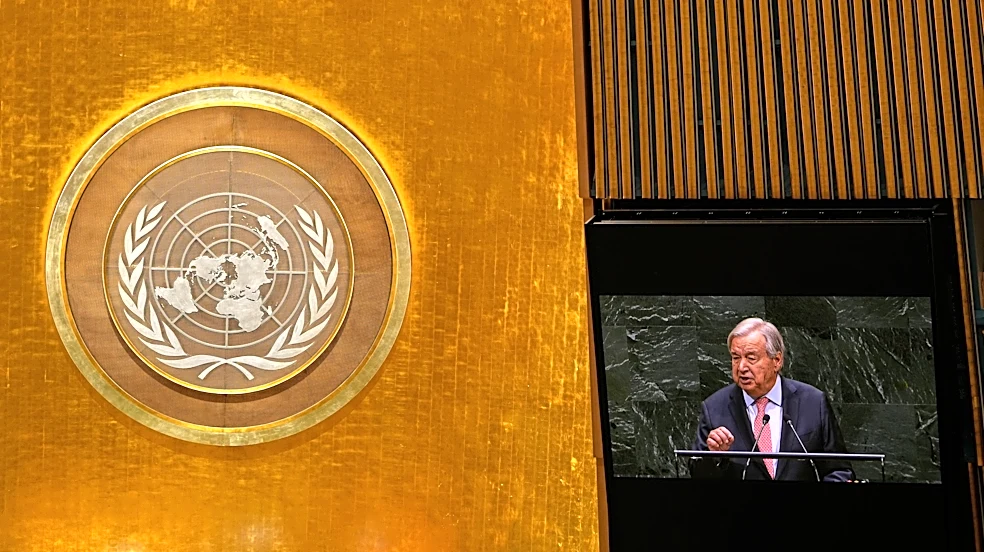
Rabab Fatima has officially commenced her role as the new United Nations special representative for Afghanistan and head of the U.N. Assistance Mission in Afghanistan (UNAMA). Her arrival in Kabul marks a critical juncture as Afghanistan grapples with
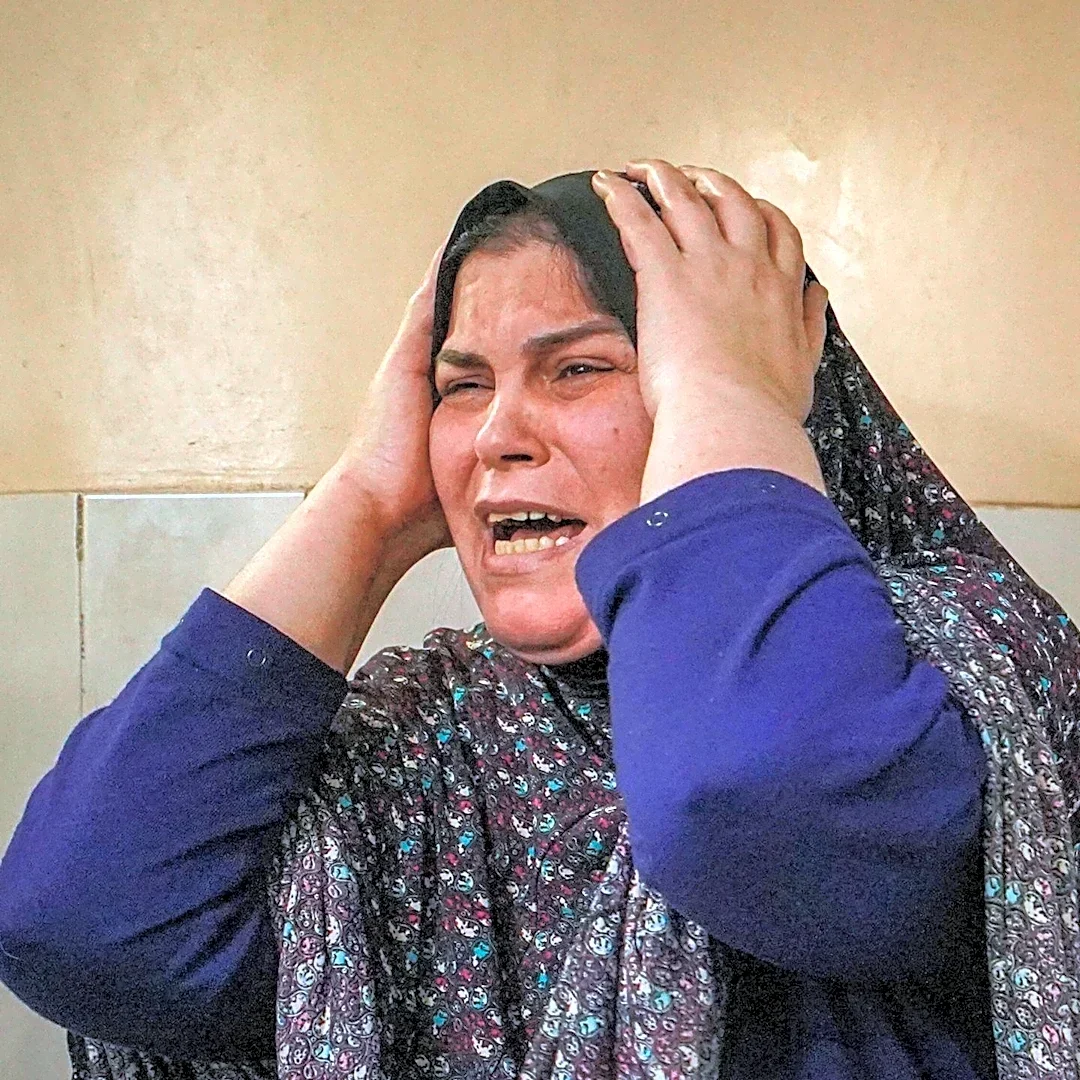
escalating human rights concerns and a worsening humanitarian crisis. The U.N. has consistently documented severe restrictions imposed by the Taliban authorities on Afghan women and girls, including limitations on education, employment, and public participation. These policies have been described by former UNAMA chief Roza Otunbayeva as creating an unprecedented situation that harms the entire country. Additionally, UNAMA's latest quarterly report highlighted arbitrary detentions, mistreatment of hundreds of individuals by the Taliban’s Ministry for the Promotion of Virtue and Prevention of Vice, and ongoing restrictions on media freedoms. Female U.N. employees also remain barred from their offices in Afghanistan, further complicating humanitarian efforts.
Why It's Important?
The mission led by Rabab Fatima is crucial for addressing the dire humanitarian situation and advocating for human rights in Afghanistan. The U.N. and various aid agencies have warned of widespread poverty, food insecurity, and climate-related shocks affecting millions of Afghans. Projections from UNICEF indicate that over 4 million Afghan children could require treatment for malnutrition in 2027 if current trends persist. Restrictions on female humanitarian workers have significantly hampered aid delivery, particularly to vulnerable women and children. The U.S. has also expressed concerns regarding UNAMA's operations and expenditures, with U.S. Ambassador Mike Waltz calling for a review of what he described as the U.N.'s most expensive political mission. Fatima's ability to maintain dialogue with the Taliban while upholding international expectations on human rights, governance, and humanitarian access will be vital for the country's future stability and the well-being of its population.
What's Next?
Rabab Fatima is expected to prioritize maintaining dialogue with the Taliban authorities to address the ongoing human rights abuses and facilitate humanitarian access. Her tenure will likely involve continued efforts to advocate for the rights of women and girls, media freedoms, and an end to arbitrary detentions. The U.N. will also focus on mobilizing international support and funding to combat the severe humanitarian crisis, including widespread food insecurity and child malnutrition. Given the U.S. criticism of UNAMA's operations, there may be increased scrutiny on the mission's effectiveness and financial management. Fatima will need to navigate these challenges while striving to achieve tangible improvements in human rights and humanitarian conditions, potentially influencing future international engagement and aid policies towards Afghanistan.
Beyond the Headlines
The challenges faced by Rabab Fatima extend beyond immediate humanitarian and human rights issues, touching upon the fundamental principles of international engagement with de facto authorities. The Taliban's policies, particularly those targeting women and girls, represent a significant ethical and cultural dimension, challenging global norms on gender equality and human dignity. The international community's response to these restrictions, and UNAMA's role in mediating them, could set precedents for how similar situations are handled worldwide. The ongoing debate about the effectiveness and cost of U.N. missions, as highlighted by U.S. concerns, also raises broader questions about the future of multilateral interventions in complex political environments. The long-term implications for Afghanistan's societal development, economic recovery, and its place in the international community hinge on the success of these diplomatic and humanitarian efforts.