










What's Happening?
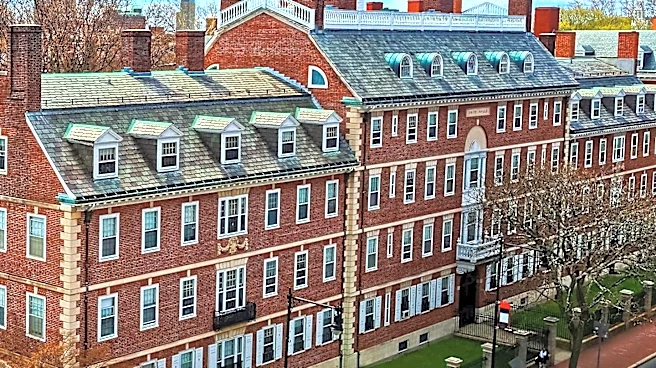
Harvard University is confronting the possibility of a triple strike as three unions representing graduate students, researchers, non-tenure-track teachers, and dining hall workers are either already on strike or threatening to walk off the job. Graduate
students initiated their second strike of the year on October 27, while researchers and non-tenure-track teachers have set a strike deadline for November 10. Dining workers could strike at any time. Workers are demanding higher wages, improved benefits, and better working conditions, citing inequities despite Harvard's nearly $68 billion endowment. The university, however, points to financial uncertainty, including the impact of the President Trump administration's policies on research funding, student visas, and increased taxes on higher education institutions, as reasons for tightening its budget.
Why It's Important?
A simultaneous triple strike at Harvard could significantly disrupt academic operations, including food service, classroom instruction, and research, potentially costing the university substantial resources to maintain services. This situation reflects a growing trend in higher education labor movements across the U.S., particularly in Greater Boston, where academic institutions are major economic drivers. The dispute highlights the tension between universities' vast endowments and the compensation and benefits offered to their workers, raising questions about financial priorities and labor equity. The outcome at Harvard could influence labor negotiations and unionization efforts at other major educational institutions nationwide, impacting thousands of academic and support staff.
What's Next?
Negotiations between Harvard and the three unions are ongoing, with the university stating its commitment to reaching agreements. However, union leaders, such as Evan Lemire, vice president of the graduate student union, warn that a failure to address worker demands could lead to the university grinding to a halt. The deadline for researchers and non-tenure-track teachers to strike is November 10, which could escalate the situation if no resolution is found. The university's administration will need to balance its financial constraints and the impact of external political factors with the pressing demands of its workforce to avoid widespread disruption and potential damage to its reputation.
Beyond the Headlines
This labor dispute at Harvard delves into deeper societal issues concerning economic inequality and the role of large, wealthy institutions in supporting their workforce. The unions' focus on the university's substantial endowment versus the workers' struggles with affordability, particularly in high-cost areas like Boston, underscores a broader debate about wealth distribution and fair labor practices. The concerns about the President Trump administration's policies affecting research funding and international students also highlight the vulnerability of academic institutions to political shifts. This situation could prompt a re-evaluation of how universities manage their finances, allocate resources, and engage with their employees, potentially leading to long-term changes in labor relations within higher education.