










What's Happening?
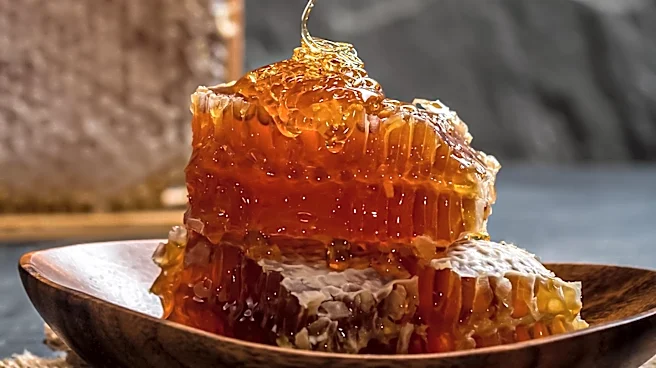
The detection of the Varroa mite near Boggabilla has prompted warnings for Moree Plains growers to reconsider their reliance on feral honeybees for pollination. The mite, which weakens or kills honeybee hives, is expected to reduce feral bee populations,
increasing the demand for commercial hives. The Australian Honey Bee Industry Council and other farm groups are advising growers to treat pollination as a planned farm input. The Pollination Security Status Report 2026 warns of a potential shortfall of 290,000 commercial hives during peak pollination periods.
Why It's Important?
The spread of the Varroa mite poses a significant threat to Australia's agricultural sector, particularly for crops that rely on honeybee pollination. The decline in feral bee populations could lead to increased costs for growers, who may need to invest in commercial pollination services. This development highlights the interconnectedness of agriculture and beekeeping, emphasizing the need for collaborative efforts to secure pollination services. The situation also underscores the broader implications for food production and resilience in the face of environmental challenges.
What's Next?
Growers are being urged to assess their pollination needs and budget for commercial hives. The NFF Horticulture Council and AHBIC will host a national webinar on managing pollination in a Varroa-endemic environment. This initiative aims to provide growers with strategies to adapt to the changing pollination landscape and ensure the sustainability of their crops.