






What's Happening?
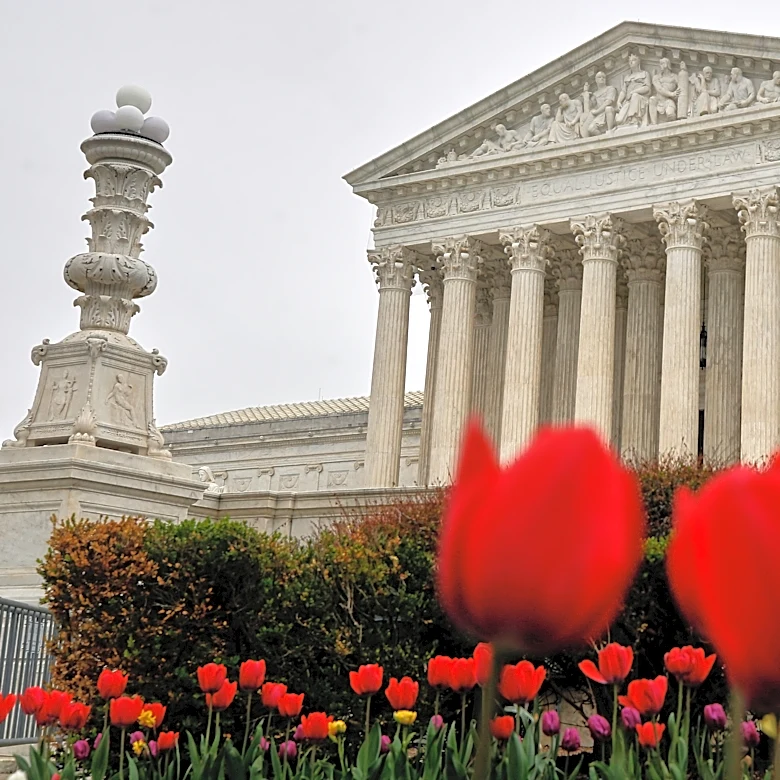
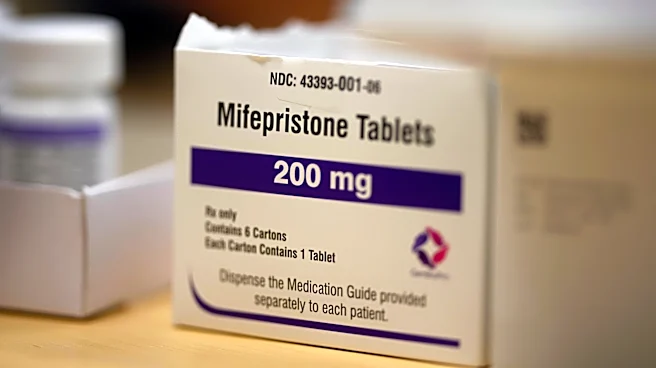
The U.S. Supreme Court has issued a temporary stay on a lower court ruling that required patients to visit healthcare providers in person to obtain the abortion pill mifepristone. Justice Samuel Alito granted the administrative stay, which is effective
until May 11, allowing the court more time to address the recent decision that disrupted abortion access by prohibiting the mailing of mifepristone. The manufacturers of the drug, Danco Laboratories LLC and GenBioPro Inc., requested the Supreme Court's intervention, arguing that the 5th U.S. Court of Appeals' decision created confusion by restricting access even in states where abortion remains legal. The 5th Circuit's ruling was a win for Louisiana, which challenged the FDA's rules permitting the pill's prescription by mail. The FDA had expanded access to mifepristone during President Joe Biden's administration, removing the requirement for in-person visits. Louisiana's lawsuit claimed the FDA relied on flawed data, while reproductive rights groups maintain the drug's safety.
Why It's Important?
This development is significant as it highlights ongoing legal battles over abortion access in the U.S., particularly concerning medication abortion. The Supreme Court's decision to temporarily restore mail access for mifepristone underscores the contentious nature of abortion rights and the role of federal courts in shaping access to reproductive healthcare. The outcome of this case could have widespread implications for states' abilities to regulate abortion and the FDA's authority to set drug distribution policies. Stakeholders such as reproductive rights advocates, healthcare providers, and state governments are closely monitoring the situation, as it could affect access to abortion services nationwide.
What's Next?
The Supreme Court is expected to make a more permanent decision regarding the mail distribution of mifepristone by May 11. Depending on the outcome, there could be further legal challenges or legislative actions at both state and federal levels. The decision may prompt reactions from political leaders, healthcare organizations, and advocacy groups, potentially influencing future policies on reproductive rights and healthcare access.