






What's Happening?
The World Bank has announced the pricing of a $200 million catastrophe bond aimed at providing financial support to Jamaica in the event of hurricanes. This bond, which was oversubscribed by investors, follows a previous $150 million bond that was fully
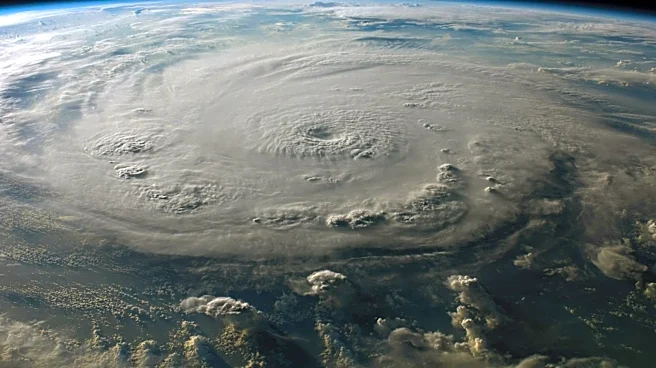
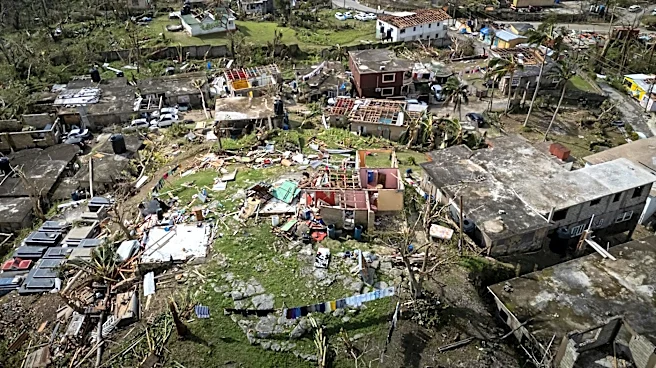
paid out after Hurricane Melissa caused significant damage. The catastrophe bond is part of Jamaica's strategy to enhance its disaster risk financing framework, as stated by Fayval Williams, Jamaica’s minister of finance and the public service. The bond is designed to offer financial protection against extreme weather events, with the Atlantic hurricane season running from June to November. The World Bank will enter into a risk transfer agreement with the Jamaican government, which will pay a premium for the coverage based on market terms.
Why It's Important?
This catastrophe bond is crucial for Jamaica as it strengthens the country's financial resilience against natural disasters, particularly hurricanes. By securing this bond, Jamaica can ensure access to capital markets and maintain financial stability in the face of potential hurricane damage. The bond also reflects a broader trend of using financial instruments to manage disaster risks, which can be vital for countries vulnerable to climate-related events. For investors, the bond offers an opportunity to engage in tactical trading and portfolio repositioning, especially given the potential impact of El Niño on hurricane activity. This financial tool not only aids Jamaica but also sets a precedent for other nations seeking innovative solutions to manage disaster risks.
What's Next?
As the Atlantic hurricane season approaches, Jamaica will be better prepared to handle potential financial impacts from hurricanes, thanks to the catastrophe bond. The World Bank and Jamaica will continue to monitor weather patterns, particularly the influence of El Niño, which may affect storm activity and landfall locations. Investors will likely adjust their strategies based on evolving conditions, potentially leading to further financial innovations in disaster risk management. The success of this bond could encourage other countries to adopt similar financial instruments, enhancing global resilience against natural disasters.