
What's Happening?
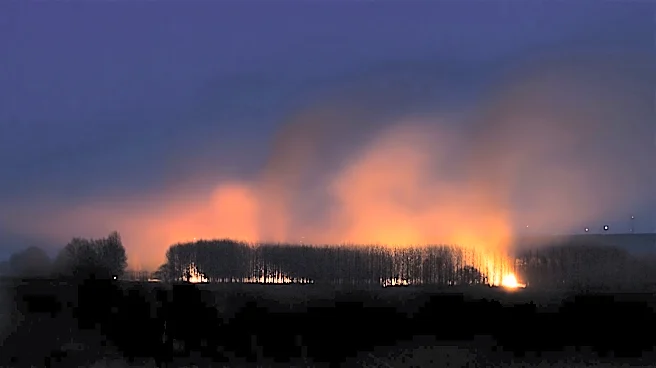
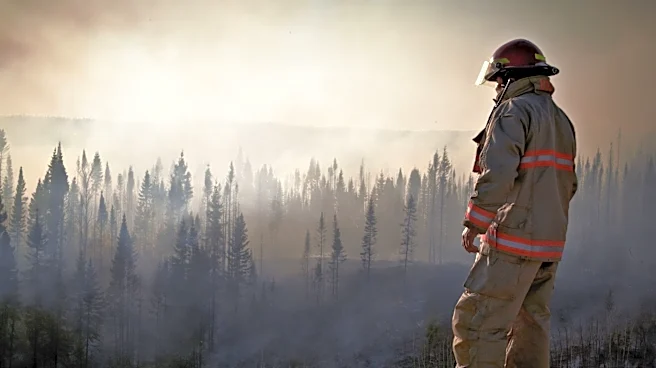
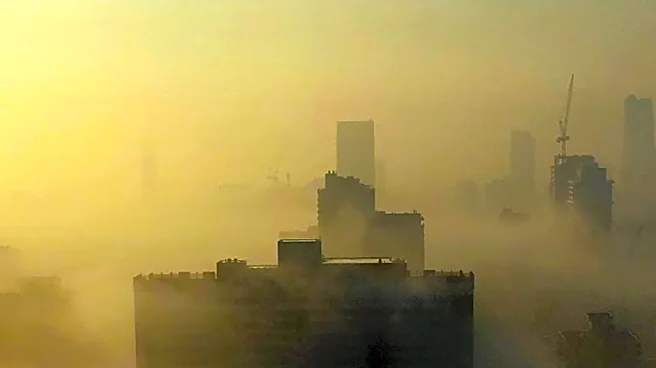
A haze over southwest Iceland, particularly Reykjavik, has been attributed to smoke from Canadian wildfires. Meteorologist Einar Sveinbjörnsson used atmospheric trajectory modeling to trace the smoke back
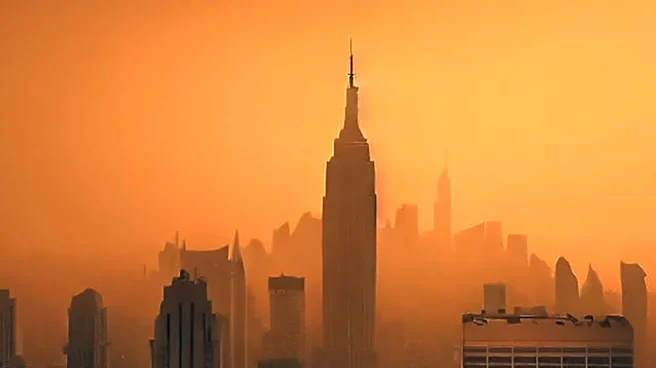
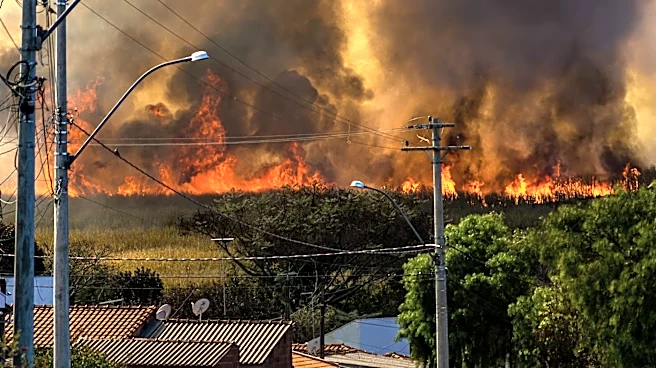
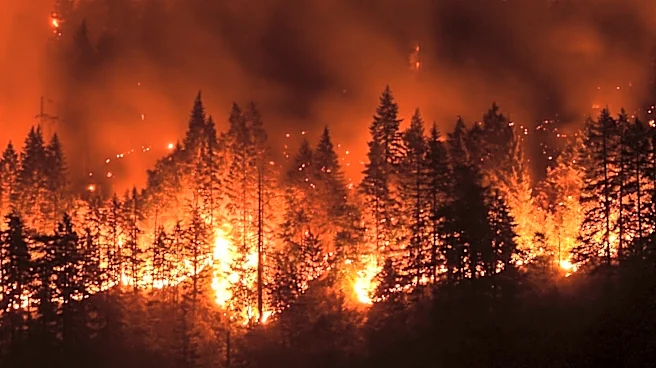
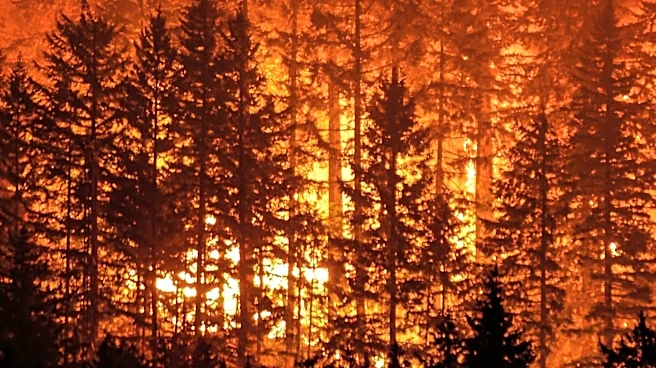
to western Canada. The haze, characterized by elevated levels of fine particulate matter, was observed after a sunny afternoon, turning the sky a whitish-yellow. This phenomenon is expected to become more frequent as climate change leads to warmer summers and more wildfires in North America. Canada has been experiencing numerous wildfires, with significant land areas burned and thousands evacuated.
Why It's Important?
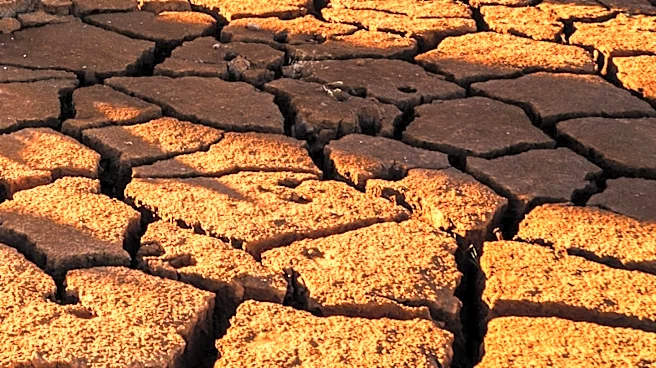
The transatlantic movement of smoke highlights the far-reaching impacts of climate change and wildfires. Such events can affect air quality and public health in regions far from the fire's origin. The situation underscores the interconnectedness of global environmental issues and the need for international cooperation in addressing climate change. The increased frequency of such events could lead to more stringent environmental policies and a push for sustainable practices to mitigate climate change effects.