





What's Happening?
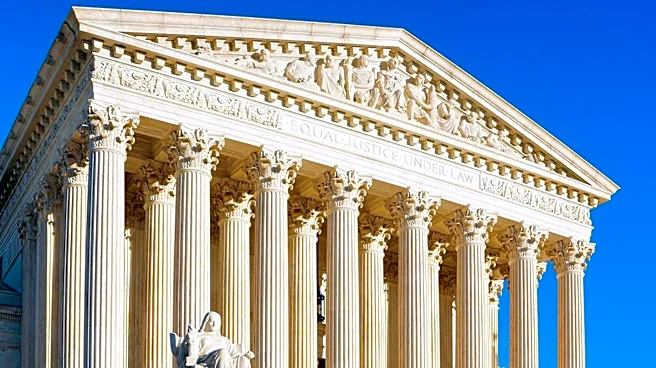
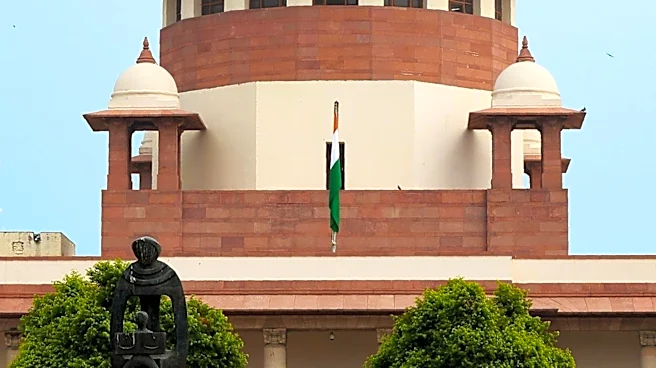
The Supreme Court has recently issued a series of significant rulings that address presidential hiring and firing powers, as well as the use of mail-in ballots. These decisions are part of a broader set of high-profile cases that the court has been handling.
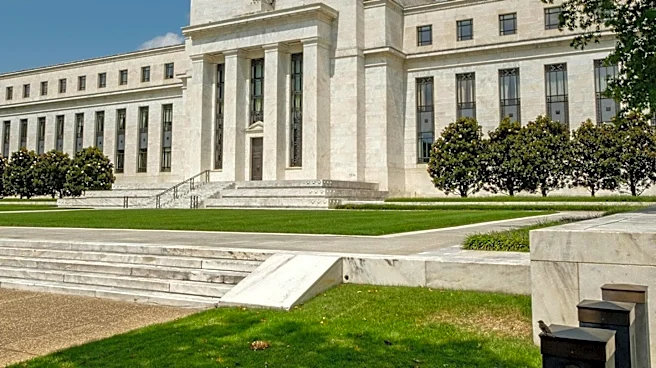
The rulings come at a time when the nation is experiencing a heatwave, with temperatures soaring from the 70s to feeling like 100 degrees in the Midwest. The decisions have sparked discussions on the balance of power within the federal government and the integrity of electoral processes. Chief Justice John Roberts emphasized the importance of the Federal Reserve's independence in one of the rulings, highlighting the court's focus on maintaining institutional integrity.
Why It's Important?
These Supreme Court rulings have far-reaching implications for the U.S. political landscape. By addressing presidential powers, the court is influencing the executive branch's ability to manage its personnel, which could affect how future administrations operate. The decision on mail-in ballots is particularly significant as it impacts voting accessibility and election security, key issues in the ongoing debate over electoral reforms. These rulings could shape public policy and influence upcoming elections, affecting both political parties and voters nationwide. The emphasis on institutional independence underscores the court's role in maintaining checks and balances within the government.