
What's Happening?
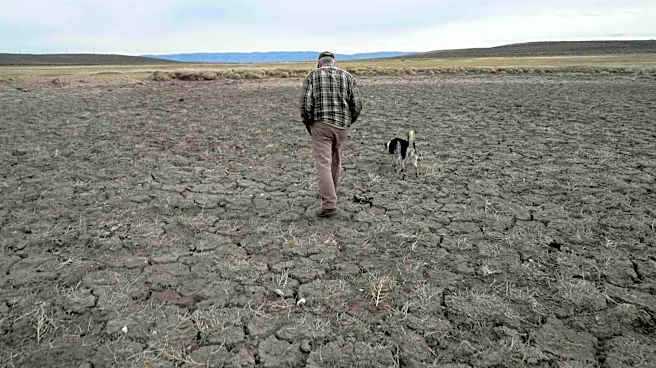
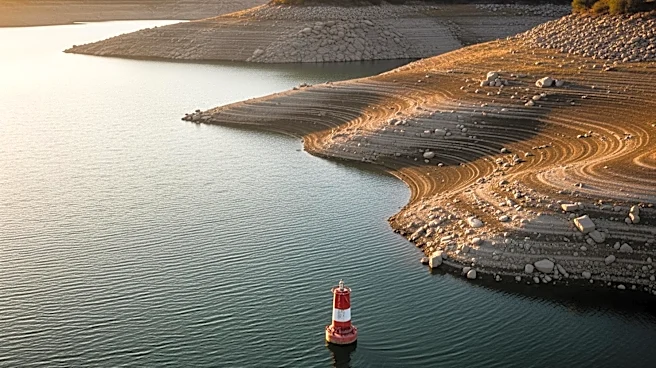
Federal water managers have initiated emergency actions to address critically low water levels at Lake Powell. This includes moving water from the upstream Flaming Gorge reservoir and reducing releases
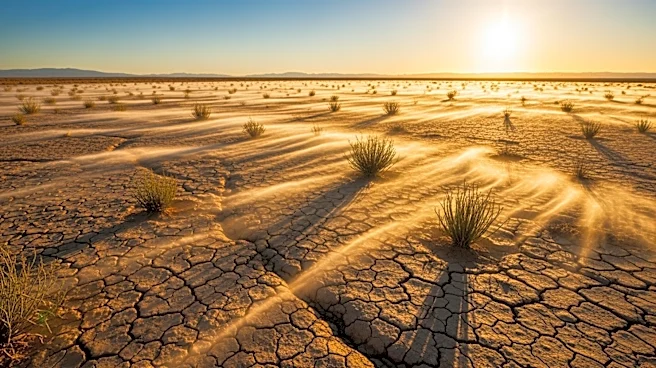
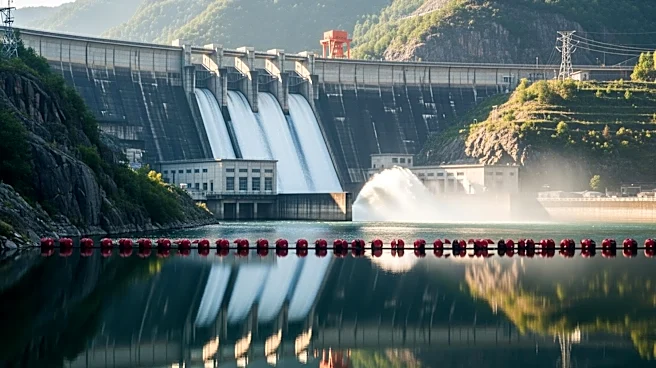
to Lake Mead. The measures are in response to record-low snowpack and a deepening drought affecting the Colorado River. Lake Powell's water levels are nearing thresholds that could threaten hydropower production at Glen Canyon Dam and impact water deliveries to California, Arizona, and Nevada.
Why It's Important?
The Colorado River system is crucial for irrigating over 5 million acres of farmland and providing water to tens of millions of people in the western U.S. The current drought conditions have reduced the system's storage capacity to about 36 percent, posing risks to essential water and power infrastructure. The emergency measures aim to stabilize water levels and ensure continued power generation and water supply, highlighting the critical need for sustainable water management in the face of climate change.
What's Next?
The U.S. Bureau of Reclamation plans to lower Glen Canyon Dam releases and increase water transfers from Flaming Gorge to raise Lake Powell's elevation. These actions are expected to prevent the reservoir from falling below critical levels that would jeopardize power production. However, the measures may lead to reduced water levels downstream at Lake Mead, potentially affecting hydropower generation at Hoover Dam. The situation underscores the need for long-term solutions to manage water resources in the region.