




What's Happening?
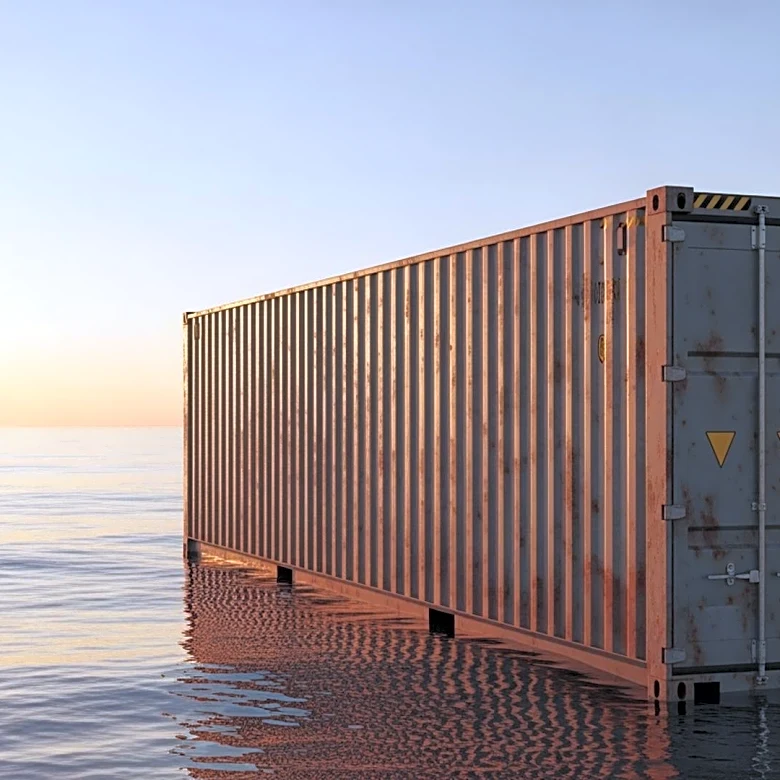
Oil prices have increased as tensions in the Middle East continue to affect global energy markets. The ongoing conflict has led to the closure of the Strait of Hormuz, a critical chokepoint for global oil shipments. Despite a three-week extension of the ceasefire
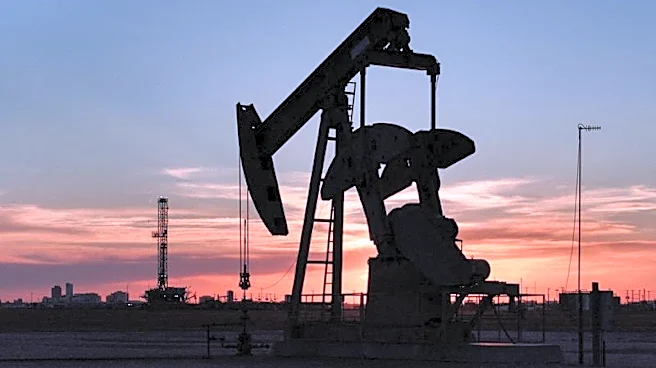
between Israel and Lebanon, announced after a meeting at the White House, concerns over the stability of the region persist. Brent crude oil prices rose by over 1.25% to $105.38 per barrel, while U.S. West Texas Intermediate futures increased by 1.14% to $96.96 per barrel. The situation remains tense as both the U.S. and Iran have seized ships, further complicating the geopolitical landscape.
Why It's Important?
The rise in oil prices due to Middle East tensions has significant implications for global energy markets and economies. The Strait of Hormuz is a vital passage for oil exports, and its closure can disrupt supply chains, leading to increased energy costs worldwide. Higher oil prices can contribute to inflationary pressures, affecting consumer prices and economic growth. The situation underscores the vulnerability of global energy markets to geopolitical conflicts, highlighting the need for diversified energy sources and strategic reserves. The ongoing tensions also pose challenges for diplomatic efforts aimed at stabilizing the region.
What's Next?
The extension of the ceasefire between Israel and Lebanon provides a temporary reprieve, allowing for further diplomatic negotiations. However, the continued closure of the Strait of Hormuz and the seizure of ships by the U.S. and Iran suggest that tensions remain high. Stakeholders, including governments and energy companies, will likely monitor the situation closely, seeking to mitigate risks and ensure energy security. The outcome of diplomatic efforts and any changes in the geopolitical landscape will be critical in determining the future direction of oil prices and market stability.