

What's Happening?
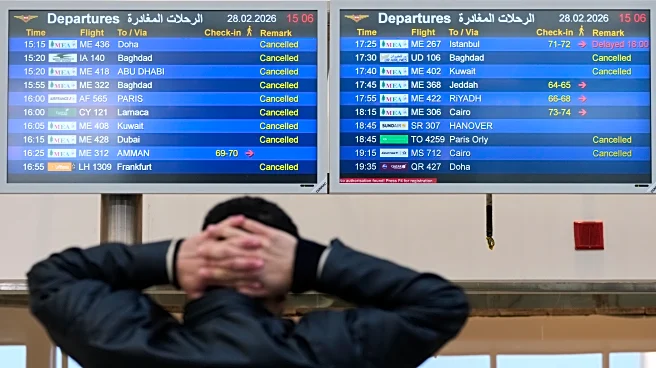
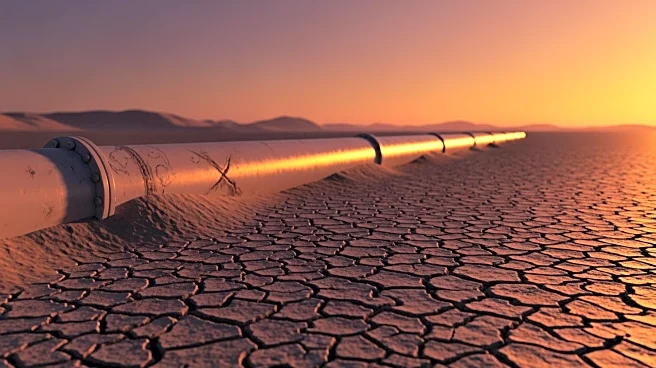
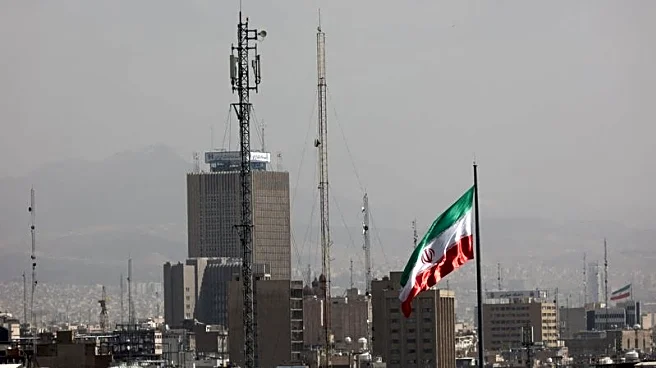
The ongoing conflict in the Middle East, particularly involving Iran, has raised significant concerns about disruptions in global energy supplies. The Strait of Hormuz, a critical passage for global oil and liquefied natural gas (LNG) shipments, is at the center
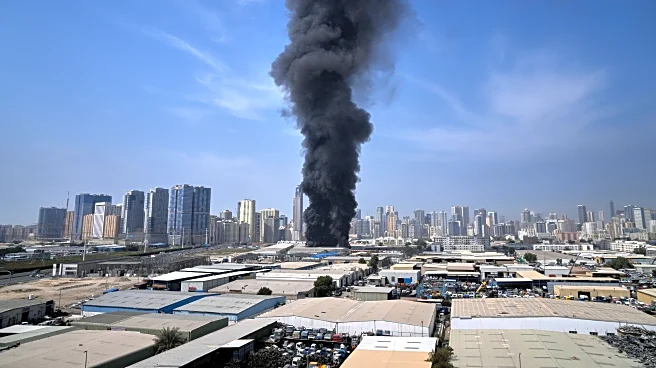
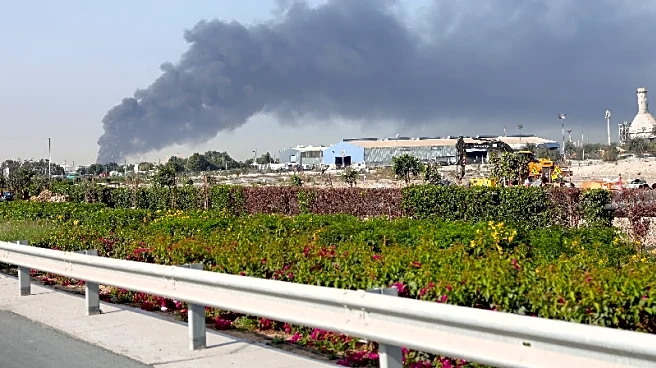
of these tensions. Recent Iranian drone strikes have targeted QatarEnergy, the world's largest LNG producer, leading to a halt in production. This has resulted in a 50% increase in European wholesale gas prices, highlighting the vulnerability of global energy markets to geopolitical conflicts. The situation is reminiscent of the 2022 energy crisis triggered by Russia's invasion of Ukraine, which had a profound impact on global energy prices and supply chains.
Why It's Important?
The potential disruption of LNG supplies through the Strait of Hormuz could have far-reaching implications for global energy markets. Europe and Asia, major importers of LNG, are particularly vulnerable to supply shocks. The increase in gas prices could lead to higher consumer energy bills and inflationary pressures, affecting economic growth. The U.S., as a major LNG exporter, may benefit from increased demand, but the overall instability could lead to broader economic uncertainties. The situation underscores the importance of energy security and the need for diversified energy sources to mitigate the impact of geopolitical conflicts.
What's Next?
The duration of the conflict and the extent of the disruption in the Strait of Hormuz will be critical in determining the long-term impact on global energy markets. If the conflict persists, it could lead to sustained high energy prices and further economic challenges for importing nations. Governments and energy companies may need to explore alternative supply routes and sources to ensure energy security. Additionally, the situation may prompt a reevaluation of energy policies and strategies to reduce dependency on vulnerable supply chains.