




What's Happening?
The North Carolina Division of Waste Management is actively recruiting for an Environmental Specialist II position. This role is crucial for the division's mission to safeguard public health and the environment. The specialist will be responsible for ensuring
the proper management of solid and hazardous waste, as well as underground storage tanks. This initiative underscores the state's ongoing commitment to environmental protection and regulatory oversight in waste management practices. The position is based in Forsyth County, North Carolina, indicating a localized effort to reinforce environmental standards within specific regions of the state. The recruitment highlights the continuous need for skilled professionals to address the complexities of waste disposal and environmental safety.
Why It's Important?
This recruitment is important because it directly impacts public health and environmental quality in North Carolina. An Environmental Specialist II plays a vital role in enforcing regulations that prevent pollution, manage hazardous materials, and ensure safe waste disposal. Effective waste management is critical for preventing contamination of soil and water resources, which can have long-term health consequences for residents and ecological damage. The proper oversight of underground storage tanks, for instance, is essential to prevent leaks that could contaminate groundwater, a primary source of drinking water. This position helps maintain the integrity of the state's environmental protection framework, ensuring compliance from industries and municipalities, and ultimately contributing to a healthier and safer environment for all North Carolinians.
What's Next?
The recruitment process for the Environmental Specialist II position will proceed with applications being reviewed and candidates interviewed. Once filled, the new specialist will undergo training and integration into the Division of Waste Management's operations in Forsyth County. Their immediate tasks will involve monitoring waste management facilities, conducting inspections, and responding to environmental concerns related to solid and hazardous waste and underground storage tanks. This will lead to enhanced enforcement of environmental regulations and potentially more rigorous oversight of waste disposal practices in the region. The successful integration of this role will strengthen the division's capacity to address emerging environmental challenges and maintain compliance across various sectors.
Beyond the Headlines
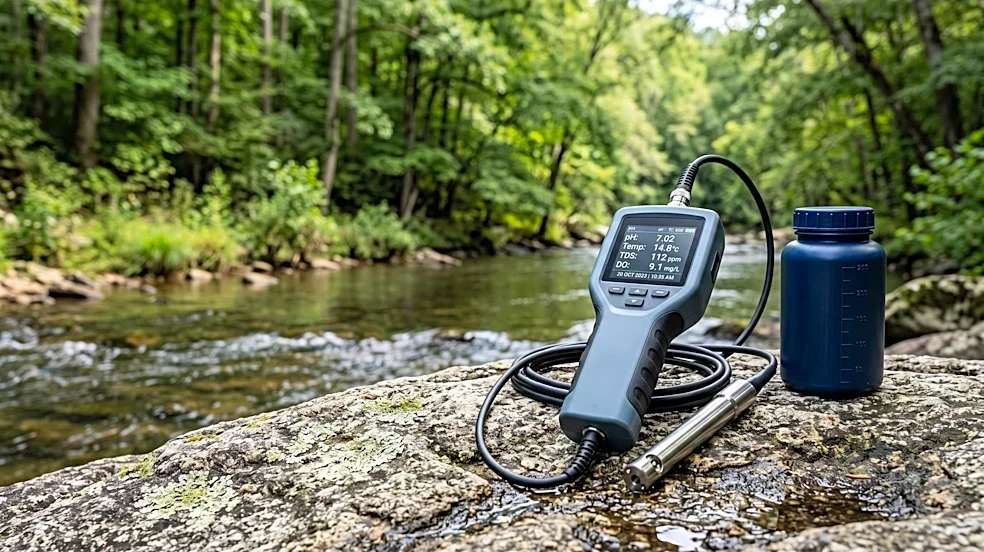
The continuous need for positions like the Environmental Specialist II reflects broader societal challenges in waste management and environmental sustainability. As urbanization and population growth continue, the generation of municipal waste increases, placing greater pressure on existing waste management systems. This role is part of a larger effort to move away from manual, inefficient waste management practices towards more intelligent and sustainable solutions. The demand for such specialists also highlights the evolving nature of environmental protection, which increasingly requires expertise in areas like hazardous waste handling and advanced monitoring techniques. Ultimately, the effectiveness of such roles contributes to the long-term health of ecosystems and communities, underscoring the critical importance of robust environmental governance.