






What's Happening?
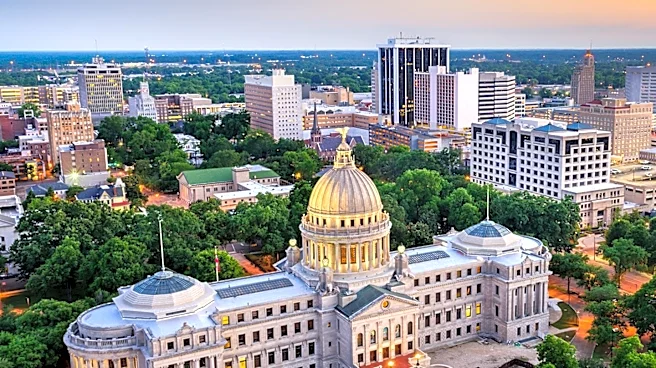
Mississippi is currently experiencing a significant financial aid shortfall amounting to $7.3 million, which could impact approximately 27,000 students in the spring of 2027. This deficit is primarily due to changes in the distribution of funds that were
implemented in 2025. These changes included expanding eligibility for aid from students taking at least 15 credits to those taking 12 or more, and raising the income threshold for the state's Higher Education Legislative Plan, a need-based grant. Additionally, the simplification of the Free Application for Federal Student Aid has led to an increase in the number of students applying for and qualifying for state aid. Without additional funding, the state may have to limit the number of students who can access scholarships for former foster youth and decrease award amounts for other grants.
Why It's Important?
The financial aid shortfall in Mississippi highlights a broader issue affecting higher education funding across the United States. As more students qualify for aid due to policy changes, states are struggling to meet the increased demand without additional funding. This situation could lead to reduced access to higher education for many students, particularly those from low-income backgrounds or those who are former foster youth. The potential reduction in financial aid could exacerbate educational inequality and limit opportunities for students who rely on these funds to pursue higher education. This issue underscores the need for sustainable funding solutions to ensure that all eligible students can access the financial support they need.
What's Next?
If additional funding is not secured, Mississippi may have to make difficult decisions regarding the allocation of financial aid. This could involve reducing the number of scholarships available or decreasing the amount of aid awarded to each student. State officials and lawmakers may need to explore alternative funding sources or consider policy adjustments to address the shortfall. The situation in Mississippi could prompt other states facing similar challenges to reevaluate their financial aid policies and funding mechanisms to prevent similar crises in the future.