





What's Happening?
A Ukrainian drone unit, 'Magyar’s Birds,' led by Robert Brovdi, is publishing drone footage of Russian soldiers in their final moments before being killed. These videos, known as 'yoblyks,' are edited into compilations set to music and widely shared on social
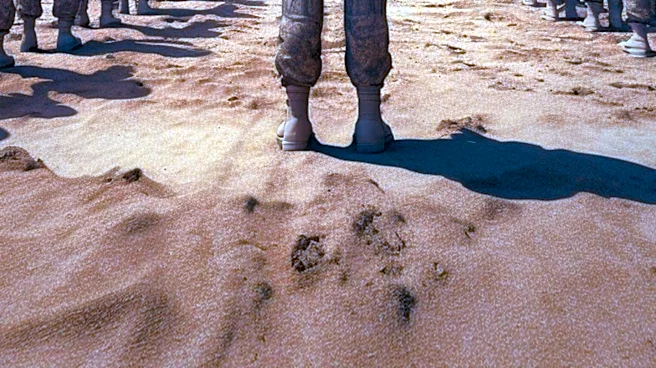
media. The 414th Air Attack Brigade, under Brovdi, has pioneered this practice, which aims to demoralize Russian forces and highlight the human cost of the conflict. Catman, a military editor for the unit, curates these videos daily, selecting clips that often show Russian soldiers attempting to evade drones or appearing disoriented. While the videos do not explicitly show the moment of death, they often end with a close-up of a soldier's face. The unit maintains that these videos serve as powerful propaganda, intended to deter Russian mobilization and boost Ukrainian morale.
Why It's Important?
This practice highlights the evolving nature of modern warfare, where information and psychological operations are conducted through digital platforms. The use of drone footage for propaganda purposes demonstrates a new dimension of psychological warfare, aiming to influence both enemy morale and domestic support. For Russia, these videos could contribute to internal dissent and a clearer understanding of the realities faced by their soldiers, potentially impacting recruitment and public opinion. For Ukraine, it serves as a tool to maintain national resolve and demonstrate their operational effectiveness. The ethical implications of publishing such content are significant, raising questions about dehumanization in conflict and the boundaries of wartime propaganda. The videos also provide a grim, real-time record of the conflict's intensity and the dangers faced by soldiers on the front lines.
What's Next?
The continued publication of 'yoblyks' is likely to intensify the psychological warfare aspect of the conflict. It could lead to increased efforts by both sides to control information and counter narratives on social media. Russian authorities may attempt to block access to such content within their borders, while Ukrainian forces will likely continue to leverage these videos for their strategic objectives. The ethical debate surrounding these videos is also expected to continue, with international bodies and human rights organizations potentially weighing in on the implications of such content. Furthermore, the effectiveness of this propaganda in influencing Russian public opinion and military morale will be a key area of observation, as will its impact on the morale of Ukrainian forces and their supporters.
Beyond the Headlines
The 'yoblyks' phenomenon delves into the profound ethical and psychological dimensions of modern conflict. By showing the final moments of soldiers, these videos push the boundaries of traditional warfare, blurring the lines between combat reporting and psychological manipulation. The dehumanizing language used by some within the unit, such as referring to Russian soldiers as 'worms,' reflects the intense animosity and trauma experienced in war. This practice also raises questions about the long-term psychological impact on those who create and consume such content, potentially normalizing violence and desensitizing individuals to the horrors of war. The use of social media to disseminate these videos globally means that the psychological battlefield extends far beyond the physical front lines, influencing perceptions and emotions on an unprecedented scale.