








What's Happening?
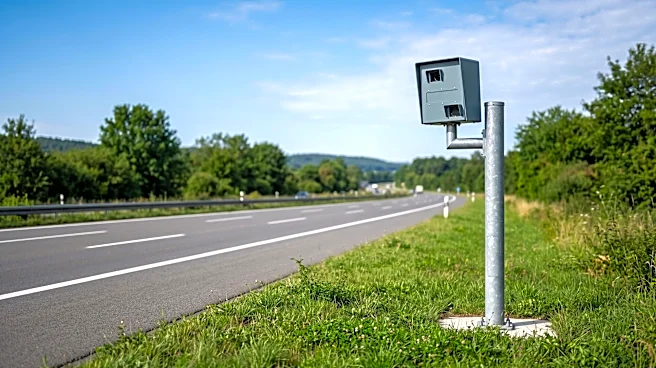
The Maryland State Highway Administration is set to implement speed cameras on Route 301 in Waldorf. This initiative aims to enhance road safety within the area. Revenue generated from these speed cameras will be allocated to two primary areas: supporting
the camera program itself and bolstering public safety efforts for local jurisdictions. Additionally, a portion of the funds will be directed to the transportation trust fund, specifically earmarked for highway safety improvements. This move is part of a broader effort to address traffic safety concerns in Waldorf. Other safety corridors identified on local roads include Small Drive West, stretching from Middletown Road to Route 301, and Western Parkway, extending from St. Patricks Drive to Route 228. These corridors are likely to see increased enforcement or safety measures as part of the overall plan.
Why It's Important?
The installation of speed cameras on a major thoroughfare like Route 301 in Waldorf signifies a direct governmental intervention to improve public safety and traffic management. For residents and commuters in Waldorf, this means a potential reduction in speeding incidents, which could lead to fewer accidents and a safer driving environment. The allocation of revenue to local public safety initiatives suggests a direct benefit to the community, potentially funding local law enforcement or emergency services. Furthermore, channeling funds into the transportation trust for highway safety improvements indicates a long-term commitment to infrastructure enhancements that could benefit all road users. Businesses operating along Route 301 might experience changes in traffic flow or driver behavior, which could indirectly impact local commerce. The initiative also highlights the ongoing challenge of balancing traffic efficiency with safety concerns in growing suburban areas.
What's Next?
Following the planned installation, the speed cameras on Route 301 in Waldorf will become operational, leading to increased enforcement of speed limits. Drivers in the area should anticipate stricter monitoring and potential citations for speeding. Local jurisdictions will begin to receive revenue from the camera program, which they can then utilize for various public safety initiatives. The transportation trust fund will also see an influx of funds dedicated to highway safety improvements, which could lead to future projects aimed at enhancing road infrastructure in the region. It is expected that the State Highway Administration will monitor the effectiveness of these cameras in reducing speeding and accidents, potentially leading to adjustments in the program or expansion to other areas if successful. Public awareness campaigns regarding the new cameras and safety corridors may also be launched to inform residents and commuters.
Beyond the Headlines
The implementation of speed cameras often sparks broader discussions about privacy, civil liberties, and the role of technology in law enforcement. While proponents emphasize safety benefits, critics sometimes raise concerns about potential 'revenue generation' rather than genuine safety improvements, or the impersonal nature of automated enforcement. This initiative in Waldorf could contribute to the ongoing debate about the balance between public safety and individual freedoms on the road. Furthermore, the success of these cameras could influence future policy decisions regarding automated enforcement in other Maryland communities, potentially setting a precedent for how traffic safety is managed across the state. The allocation of funds also raises questions about transparency and accountability in how these revenues are spent, and whether they truly translate into tangible safety improvements for the community.