


What's Happening?
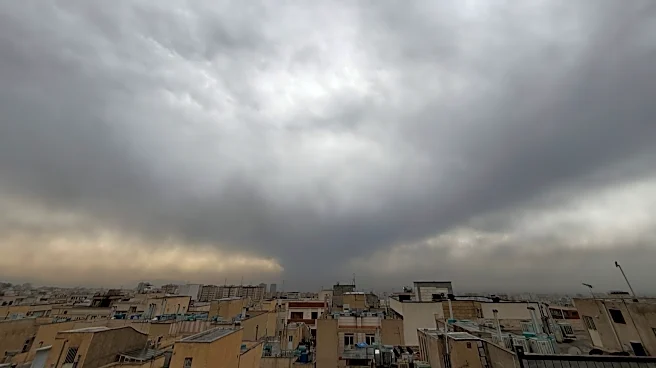
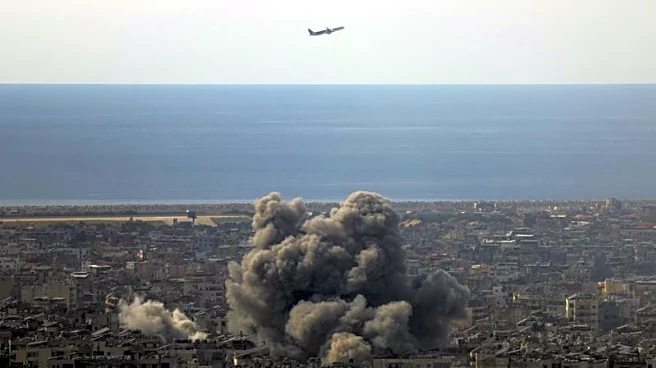
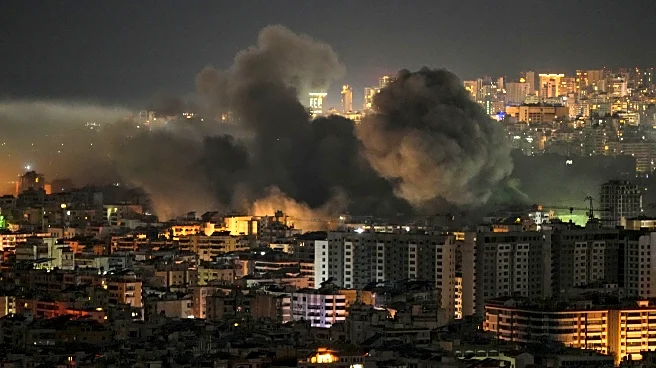
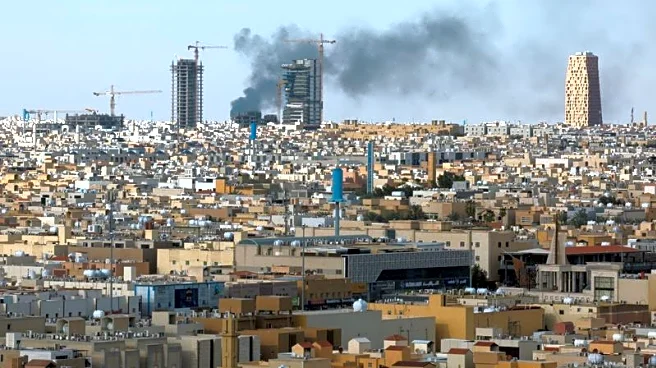
The Middle East is experiencing significant turmoil following a series of airstrikes conducted by the United States and Israel against Iran. These attacks resulted in the death of Iran's supreme leader, Ayatollah Ali Khamenei, marking a pivotal escalation
in regional tensions. The conflict has rapidly intensified, with hundreds of casualties reported within the first week. The situation has led to widespread instability, affecting not only the immediate region but also international relations and global security dynamics.
Why It's Important?
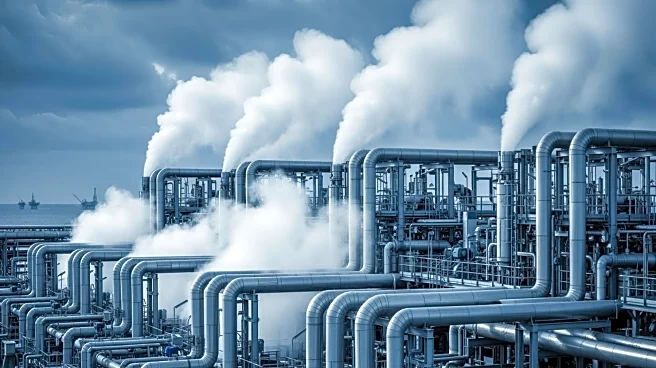
The escalation of conflict in the Middle East has profound implications for global politics and security. The death of Ayatollah Ali Khamenei could lead to a power vacuum in Iran, potentially destabilizing the region further. The involvement of the US and Israel in these airstrikes may strain diplomatic relations with other countries, particularly those with vested interests in the Middle East. Additionally, the conflict could disrupt global oil markets, leading to economic repercussions worldwide. The humanitarian impact is also significant, with potential for increased refugee flows and humanitarian crises.
What's Next?
As the conflict continues, international stakeholders are likely to engage in diplomatic efforts to de-escalate tensions. The United Nations and other international bodies may call for ceasefires and negotiations to prevent further loss of life and regional destabilization. Countries with citizens in the affected areas may prioritize evacuation and repatriation efforts. The situation remains fluid, with potential for further military engagements or peace talks depending on the actions of involved parties.
Beyond the Headlines
The conflict highlights the complex geopolitical dynamics of the Middle East, where historical grievances and alliances play a significant role. The involvement of major powers like the US and Israel underscores the global stakes in regional conflicts. This situation may also influence domestic politics in the US and Israel, as leaders navigate the international response and public opinion. Long-term, the conflict could reshape alliances and power structures in the Middle East, with implications for global security and economic stability.