








What's Happening?
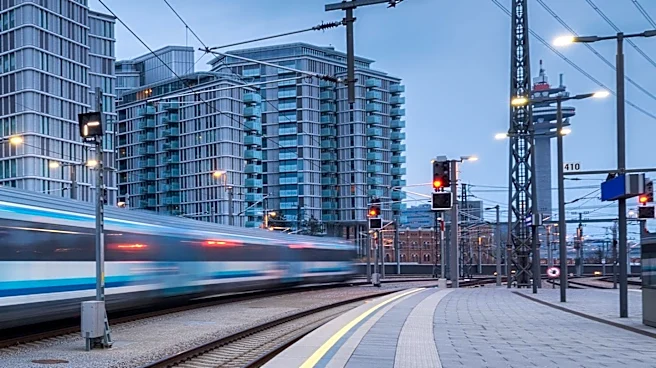
Charlotte, North Carolina's Blue Line light rail has significantly transformed the city's landscape since its opening in 2007, fostering substantial transit-oriented development (TOD) with billions of dollars in new construction and tens of thousands
of homes and office spaces. The line, which saw ridership exceed projections and reach over 27,000 weekday riders pre-pandemic, has effectively extended the city's downtown and created new walkable neighborhoods. However, despite the immense value generated by this public investment—with areas near the Blue Line seeing property values increase from $412 million in 2004 to $14 billion in 2012—the public sector has largely failed to capture this value. The city has not implemented mechanisms like tax increment financing (TIFs), inclusionary zoning, or development impact fees to recoup a portion of the created wealth for public goods such as affordable housing or further transit expansion. This represents a missed opportunity for the public to benefit financially from its entrepreneurial efforts in funding the transit line.
Why It's Important?
The situation in Charlotte highlights a critical issue in urban planning and public finance: the failure of cities to implement 'value capture' strategies when public investments, such as transit infrastructure, significantly increase private property values. This missed opportunity means that the substantial economic benefits generated by public funds are primarily privatized, rather than being reinvested into the community or used to fund essential public services like affordable housing or future infrastructure projects. For U.S. cities grappling with funding deficits and housing crises, Charlotte's experience serves as a cautionary tale. It demonstrates how a lack of robust value capture policies can lead to an inequitable distribution of wealth created by public spending, potentially exacerbating social and economic disparities. The inability to leverage increased property values for public good also limits the financial sustainability of future transit expansions and urban development initiatives.
What's Next?
Charlotte has ambitious plans for future transit expansion, including another light rail line and a consolidated downtown train station. However, current plans do not include implementing value capture financing for the next light rail line, although land banking for affordable housing along future corridors is being considered. This suggests that without a shift in policy, the city may continue to miss opportunities to recoup public value. The broader discussion around value capture policies will likely continue, especially as other states like New York and California have begun to implement legislation promoting transit-oriented development and value capture. The political and legal feasibility of such policies in North Carolina, where state legislatures often play a significant role in enabling or prohibiting them, will be a key factor in any future changes. Advocacy groups and urban planners will likely continue to push for more equitable financing mechanisms.
Beyond the Headlines
The 'triumph and tragedy' of Charlotte's light rail system delves into the philosophical debate about who benefits from public investments. It raises ethical questions about whether the public, which bears the initial financial risk and contributes to the increased value of surrounding properties, should have a greater share in the resulting economic windfall. This issue is not unique to Charlotte; it reflects a broader trend in many American cities where public infrastructure projects inadvertently fuel private speculation and gentrification without adequate mechanisms to ensure community benefit. The absence of robust value capture policies can perpetuate cycles of inequality, making cities less affordable and accessible for long-term residents. It also underscores the political challenges of implementing such policies, often facing resistance from real estate developers and property owners who stand to lose potential profits. The long-term implications include a widening gap between public needs and available resources, and a potential erosion of public trust in large-scale infrastructure projects.