






What's Happening?
The Supreme Court is under scrutiny following a brief filed by magicians Penn & Teller, which questions the use of 'investigative hypnosis' in a Texas death-penalty case. This method, which has been criticized for its lack of scientific reliability, is being
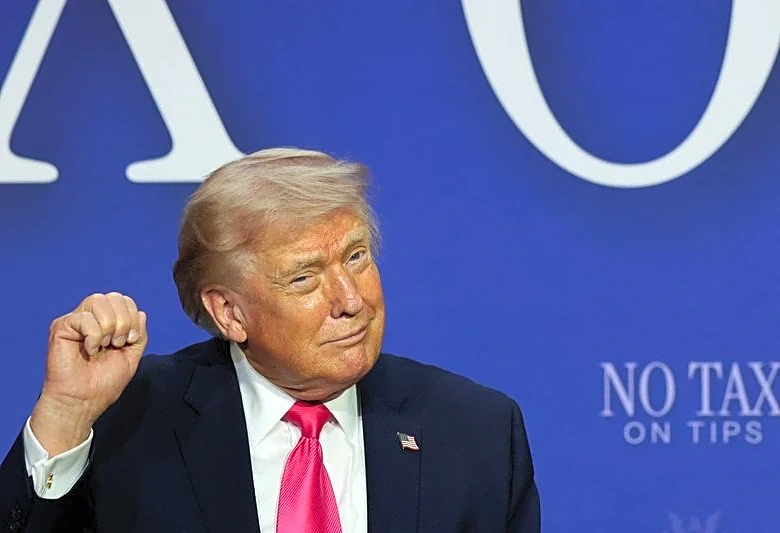
challenged as part of a broader discussion on the admissibility of certain types of evidence in court. The case has drawn attention due to its potential implications for the use of controversial techniques in legal proceedings. Additionally, the Supreme Court is set to address other significant issues, including the processing of tariff refunds following a decision that invalidated tariffs imposed by President Trump.
Why It's Important?
The challenge to the use of investigative hypnosis highlights ongoing debates about the reliability and admissibility of certain forensic techniques in the U.S. legal system. This case could set a precedent for how courts handle evidence that lacks scientific consensus, potentially impacting future legal proceedings and the rights of defendants. Furthermore, the decision to process tariff refunds could have significant economic implications, affecting businesses that were impacted by the tariffs and altering trade dynamics.
What's Next?
The Supreme Court's decision on the use of investigative hypnosis could lead to changes in how evidence is evaluated in court, potentially prompting legislative or judicial reforms. The processing of tariff refunds is expected to begin soon, which may lead to financial adjustments for affected businesses and influence future trade policies. Stakeholders, including legal experts and business leaders, will be closely monitoring these developments.