
What's Happening?
Meteorologists are warning of a potentially powerful El Niño that could significantly alter U.S. weather patterns in the coming months. The National Oceanic and Atmospheric Administration (NOAA) predicts
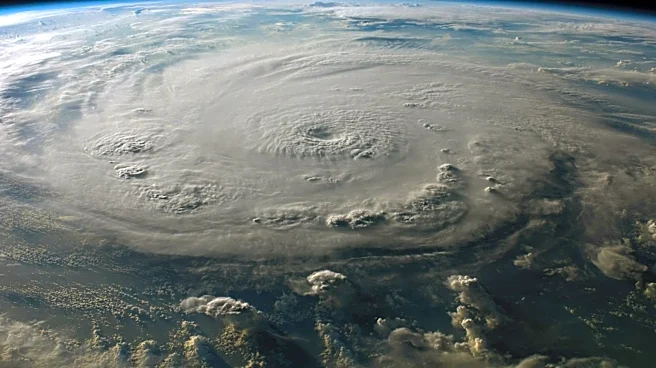
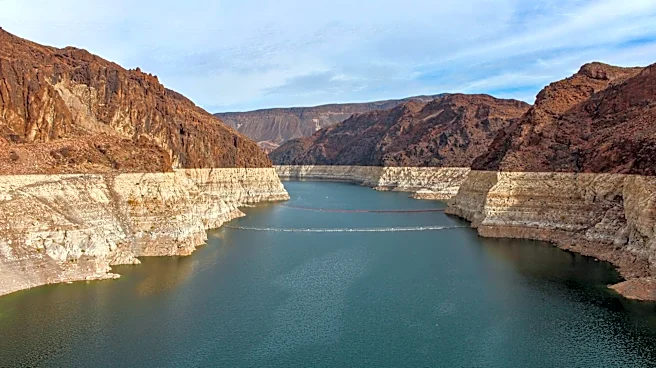
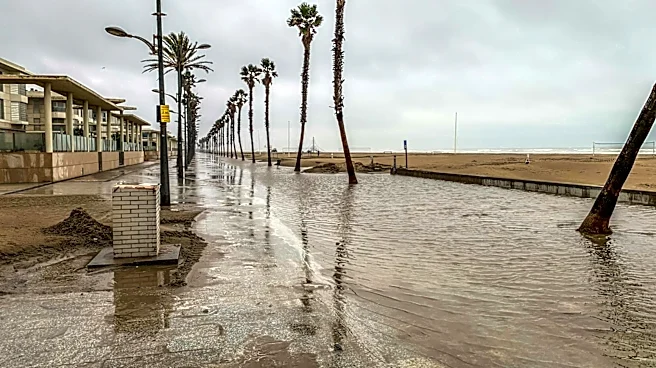
that El Niño conditions are likely to develop between May and July, with the possibility of a 'super' El Niño. This could lead to increased hurricane activity in the Pacific, heightened flooding risks, and exacerbated heat, drought, and wildfire conditions in various regions. The World Meteorological Organization has noted that recent years have been among the warmest on record, and a strong El Niño could further elevate global temperatures.
Why It's Important?
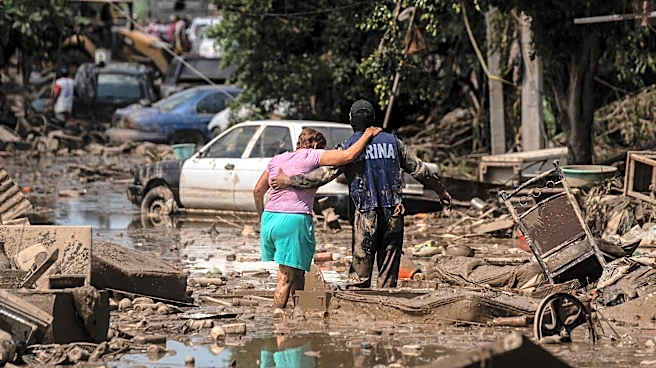
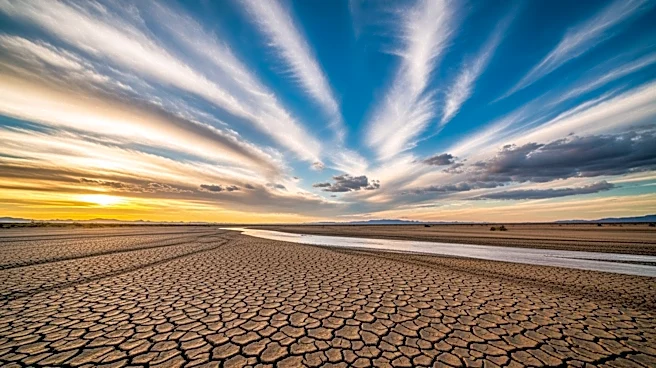
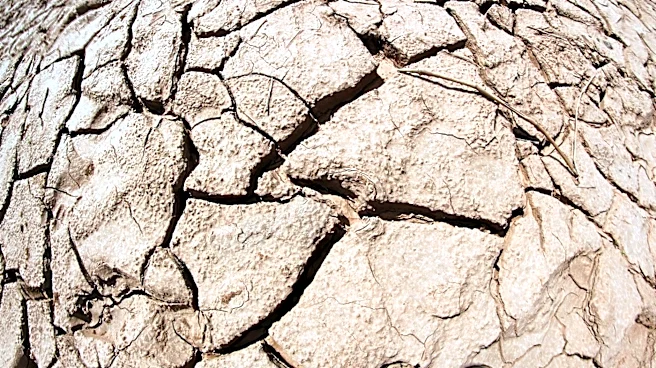
The development of a super El Niño could have widespread implications for the U.S., affecting agriculture, water resources, and disaster preparedness. Regions like the Northwest U.S. may face severe drought and wildfire risks, while the Gulf Coast and Southeast could experience wetter conditions. The potential for increased hurricane activity in the Pacific also poses a threat to coastal communities. Understanding and preparing for these changes is crucial for mitigating the impacts on infrastructure, public safety, and the economy. Policymakers and emergency management agencies must consider these forecasts in their planning to protect vulnerable populations and resources.