



What's Happening?
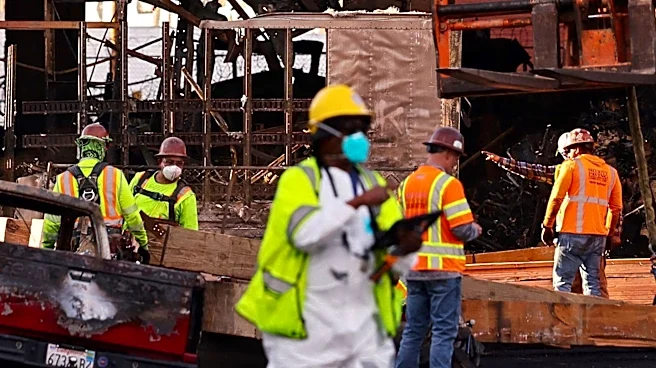
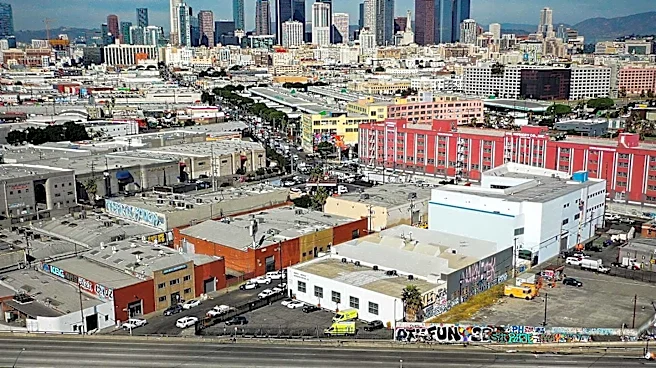
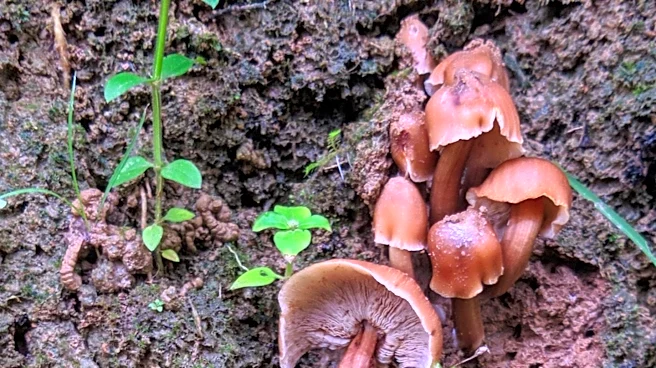
Mushroom spawn grown in a downtown Los Angeles lab is being utilized to remediate soil in fire-affected areas of Altadena and Pacific Palisades. The Centre for Applied Ecological Remediation (CAER), funded by FireAid, is leading this project, inoculating
wood chips with the mushroom spawn. These inoculated wood chips will be spread across dozens of residential yards to help restore soil damaged by high-intensity fires, such as the 2025 Eaton and Palisades fires. These fires often sterilize soil, eliminating beneficial organisms and leaving contaminants. The project combines mycoremediation (using fungi) with phytoremediation (using native plants) to speed up the replenishment of healthy soil and soak up contaminants.
Why It's Important?
This initiative is crucial for environmental recovery and public health in fire-prone regions of the U.S., particularly in California. Wildfires leave behind not only devastation but also long-term ecological damage, including soil degradation and contamination. By using mycoremediation and phytoremediation, CAER offers a sustainable and cost-effective solution to restore ecosystems, which is vital for preventing erosion, supporting biodiversity, and ensuring the safety of residential areas. This project can serve as a model for other communities facing similar post-fire challenges, influencing public policy on disaster recovery and environmental management. It also stimulates local economies by creating jobs in ecological restoration and fostering innovation in green technologies, benefiting residents whose properties were affected by the fires.
What's Next?
CAER plans to produce 2,500 gallons of mushroom-inoculated wood chips to be spread over 50 sites in Altadena and Pacific Palisades, aiming to complete the work within the next eight to twelve months. Concurrently, an array of California native plants will be planted to absorb soil contaminants. The organization is actively recruiting volunteers for tasks ranging from lab work to on-site remediation. CAER has also partnered with Consortium, an organization that will provide soil-removal services as a backup if remediation cannot be completed in time. This multi-pronged approach ensures that affected properties receive comprehensive restoration, with ongoing monitoring to assess the effectiveness of the biological remediation techniques.
Beyond the Headlines
This project highlights the deeper implications of ecological restoration and the innovative use of natural processes to address environmental crises. Ethically, it underscores a proactive approach to environmental stewardship and community resilience in the face of increasing climate-related disasters. Culturally, it fosters a connection between urban scientific innovation (lab-grown fungi) and local ecological needs, promoting community engagement through volunteerism. The long-term success of such projects could shift perceptions of post-disaster recovery from purely engineering-based solutions to more holistic, biologically integrated approaches. It also raises awareness about the critical role of soil health in ecosystem function and the potential of fungi and native plants as powerful tools for environmental healing, potentially influencing broader conservation efforts and sustainable land management practices.