
What's Happening?
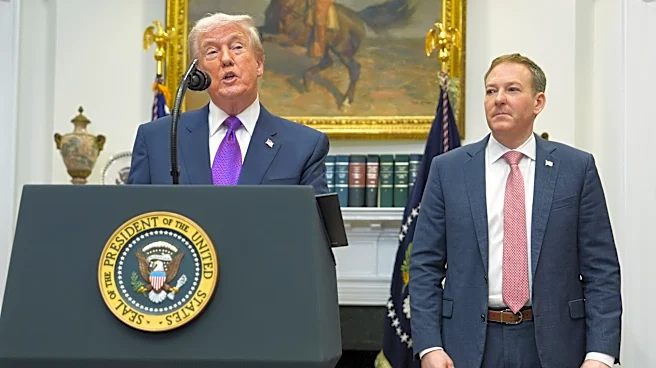
The Trump administration has proposed a significant reduction in the Environmental Protection Agency's (EPA) budget, aiming to cut it by half. This proposal has sparked criticism from Senate Democrats
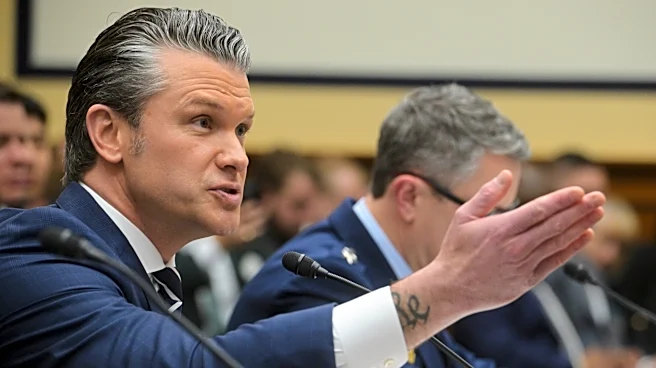
who argue that it undermines the EPA's mission to protect human health and the environment. The proposed budget would reduce support for state environmental programs and halt climate research, while reallocating funds to expedite project permitting and address drinking water issues. Lee Zeldin, the EPA administrator, defended the proposal, claiming it would make the agency more efficient. However, Democrats have expressed concerns that the cuts favor industry interests over environmental protection.
Why It's Important?
The proposed budget cuts could have far-reaching implications for environmental protection in the U.S. By reducing funding for state programs and climate research, the proposal may hinder efforts to combat pollution and climate change. Critics argue that the cuts prioritize economic growth over environmental health, potentially leading to increased pollution and health risks. The proposal also reflects a broader deregulatory agenda that could weaken environmental regulations and enforcement. This shift could benefit industries that face fewer regulatory constraints but may also lead to long-term environmental and public health challenges.
What's Next?
The final decision on the EPA's budget rests with Congress, which has historically resisted significant cuts to the agency. Lawmakers will likely debate the proposal, with potential amendments to restore funding for critical programs. Environmental groups and state governments may also lobby for maintaining or increasing funding to support local initiatives. The outcome of these discussions will shape the future of U.S. environmental policy and the EPA's ability to fulfill its mission.