






What's Happening?
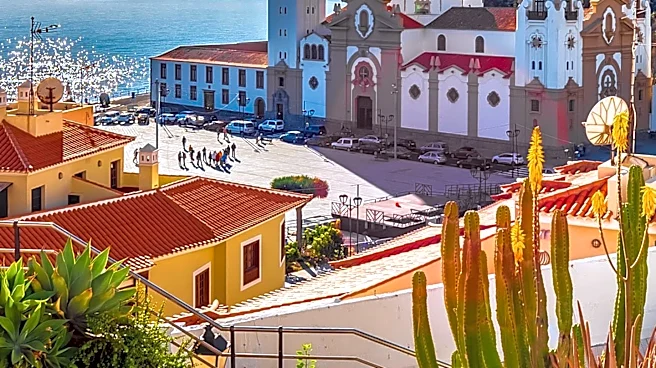
A guide to parking in Playa de las Américas highlights the necessity of strategic planning for visitors with car rentals due to the resort's pedestrianized core. Much of the central area, including the seafront promenade (Paseo Francisco Andrade Fumero)
and the Verónicas strip, is closed to vehicles. The drivable boundaries are along Avenida Rafael Puig Lluvina and Avenida de las Américas, meaning accommodations on the beachfront are not directly accessible by car. The guide advises understanding the resort layout before arrival and notes that free street parking becomes scarce after approximately 10:30 AM. It also details varying hotel parking arrangements and costs, with some hotels offering free parking for guests while others charge daily fees.
Why It's Important?
This information is crucial for U.S. tourists planning international travel to destinations like Playa de las Américas, as it directly impacts their travel logistics and budget. Misunderstanding local parking regulations and resort layouts can lead to unexpected fines, inconvenience, and added expenses. For the tourism industry in such destinations, clear communication about transportation and parking is vital for visitor satisfaction and smooth operations. The emphasis on pedestrian zones reflects a growing trend in urban and resort planning to prioritize walkability and reduce vehicular traffic in central areas, aiming to enhance the visitor experience and promote environmental sustainability. This approach can influence how U.S. travelers choose their accommodations and plan their activities abroad.
What's Next?
As more international destinations adopt pedestrian-friendly urban planning, U.S. travelers will increasingly need to adapt their travel strategies, particularly when renting vehicles. This could lead to a greater reliance on public transportation, ride-sharing services, or hotel-provided shuttles in resort areas. Travel agencies and online booking platforms may need to provide more detailed information about local transportation and parking options to manage traveler expectations. Furthermore, the trend towards pedestrianization might encourage the development of more peripheral parking facilities combined with efficient shuttle services, or even innovative last-mile delivery solutions for luggage, to bridge the gap between car access and beachfront accommodations.
Beyond the Headlines
The challenges of parking in pedestrianized resort cores like Playa de las Américas reflect a broader global movement towards sustainable urban mobility and the creation of car-free zones. This shift is driven by environmental concerns, a desire to enhance public spaces, and the promotion of healthier, more active lifestyles. While it offers benefits like reduced pollution and noise, and improved safety for pedestrians, it also presents logistical challenges for visitors and local businesses. This tension between accessibility and sustainability is a common theme in modern urban planning, prompting ongoing debates and innovative solutions in cities and tourist destinations worldwide. For U.S. travelers, it underscores the importance of researching local customs and infrastructure beyond just attractions.