




What's Happening?
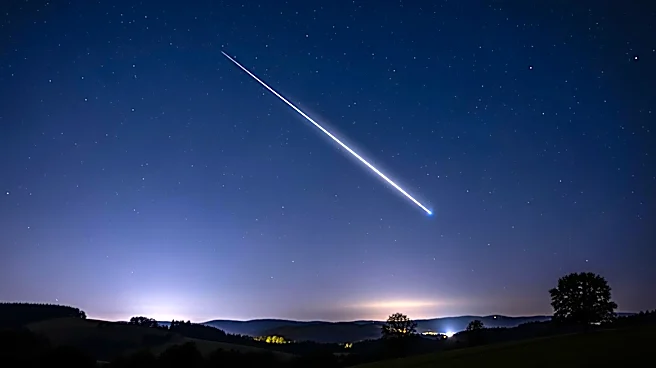
The Lyrid meteor shower, an astronomical event observed for over 2,700 years, is set to peak on April 22, 2026. This annual meteor shower is known for its fast and bright meteors, with optimal viewing conditions expected in the early hours of April 22.
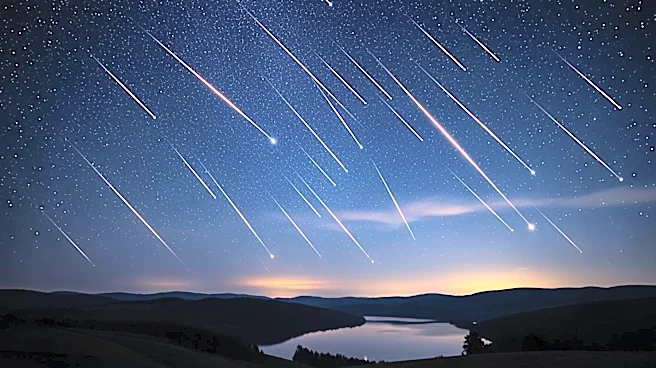
The moon's crescent phase will provide a dark sky, enhancing visibility. The Lyrids, originating from debris left by Comet Thatcher, typically produce 10 to 20 meteors per hour, though outbursts can result in up to 100 meteors per hour. The event is best viewed away from light pollution, with stargazers advised to let their eyes adjust to the darkness.
Why It's Important?
The Lyrid meteor shower offers a unique opportunity for public engagement with astronomy, highlighting the enduring human fascination with celestial phenomena. Such events can inspire interest in science and space exploration, fostering educational opportunities and community activities. The Lyrids also serve as a reminder of the dynamic nature of our solar system and the historical significance of astronomical observations. As one of the oldest recorded meteor showers, the Lyrids connect modern viewers with ancient traditions of stargazing, emphasizing the continuity of human curiosity and the quest for understanding the universe.